One planet. One fjord at the edge of a capital.

The Oslofjord, from Oslo to the Skagerrak, marked in blue. Every light is a wildlife record shared with science through GBIF.

NASA GIBS · Blue Marble Next Generation (NASA) · Terrain: Mapzen/AWS · OpenFreeMap · © OpenStreetMap contributors

Mission brief

Why the Oslofjord matters

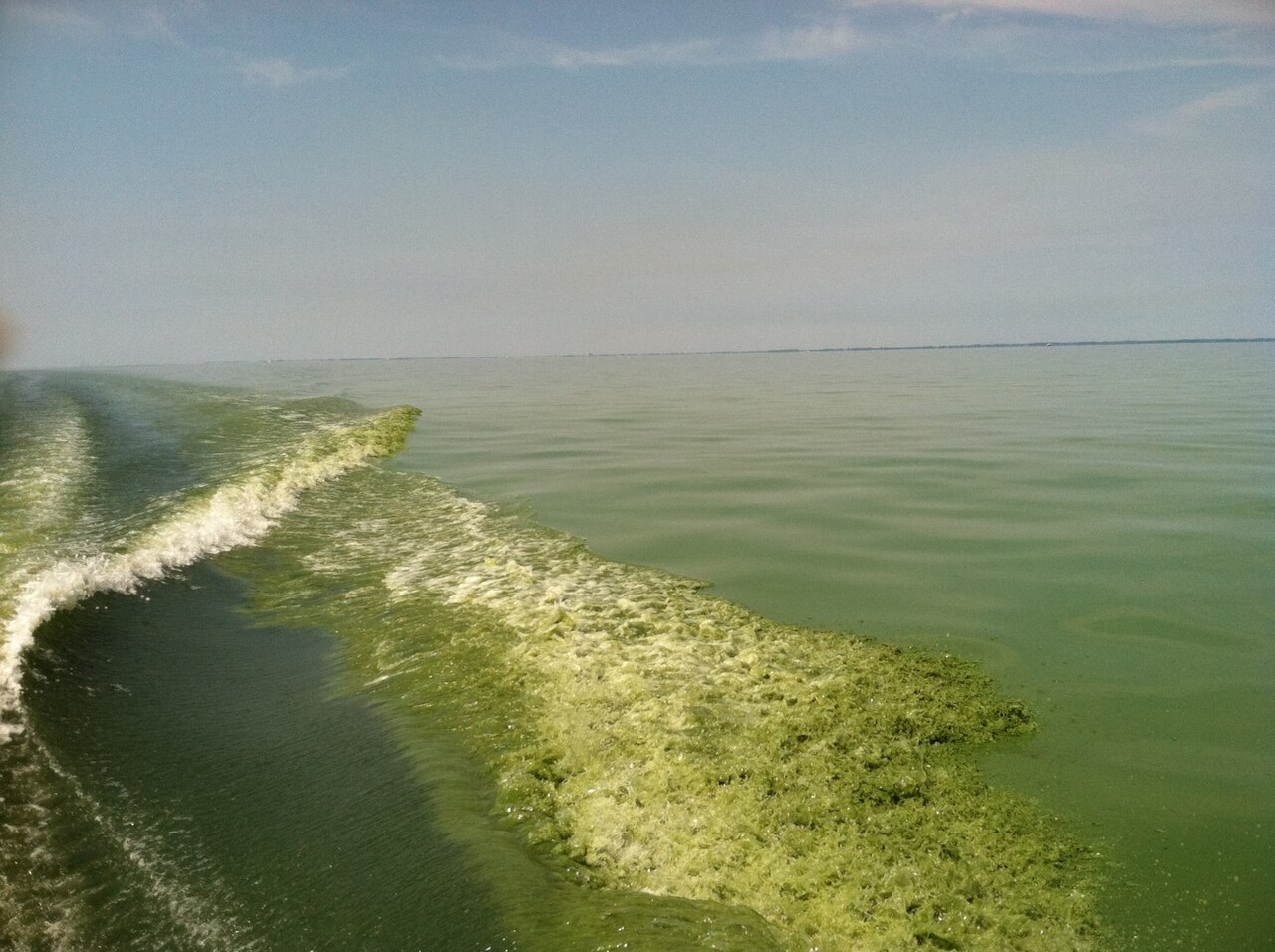
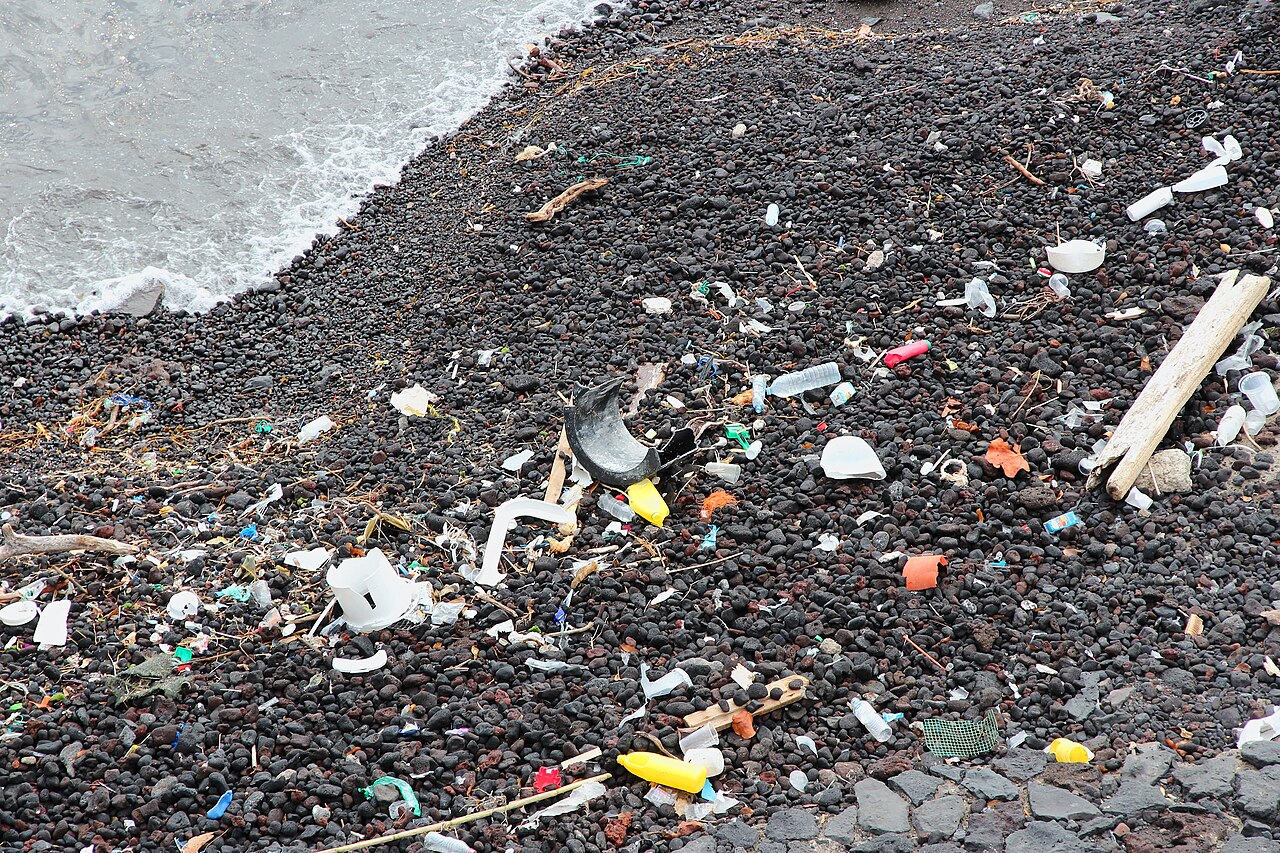
Beneath the surface of the Oslofjord, marine habitats connect the coast, its wildlife and the people who live around it. Nutrients from land, damaged habitats and other pressures are making recovery difficult. Reducing pollution and restoring suitable habitats can help give marine life room to recover. Explore the evidence, the work under way and the choices still ahead.

Sources: Miljødirektoratet · Oslofjorden må få flere miljøtiltak (April 2026) · Miljødirektoratet · Oslofjorden: the action plan · NIVA · Oslofjorden: serious findings in new state report (2025)
30–40%

cut in nitrate concentrations that the Environment Agency's model shows could bring good nitrogen status to most of the fjord. A model result, not a measurement.

Source: Miljødirektoratet · Oslofjorden må få flere miljøtiltak (April 2026)
63

technical measures, plus 19 knowledge measures, in the 2021 five-year plan for the fjord.

Source: Miljødirektoratet · Oslofjorden: the action plan
300 m²

where NIVA has planted thousands of eelgrass plants since 2022, in an area where a meadow had disappeared.

Source: Miljødirektoratet · Oslofjorden: the action plan

Find your way in.

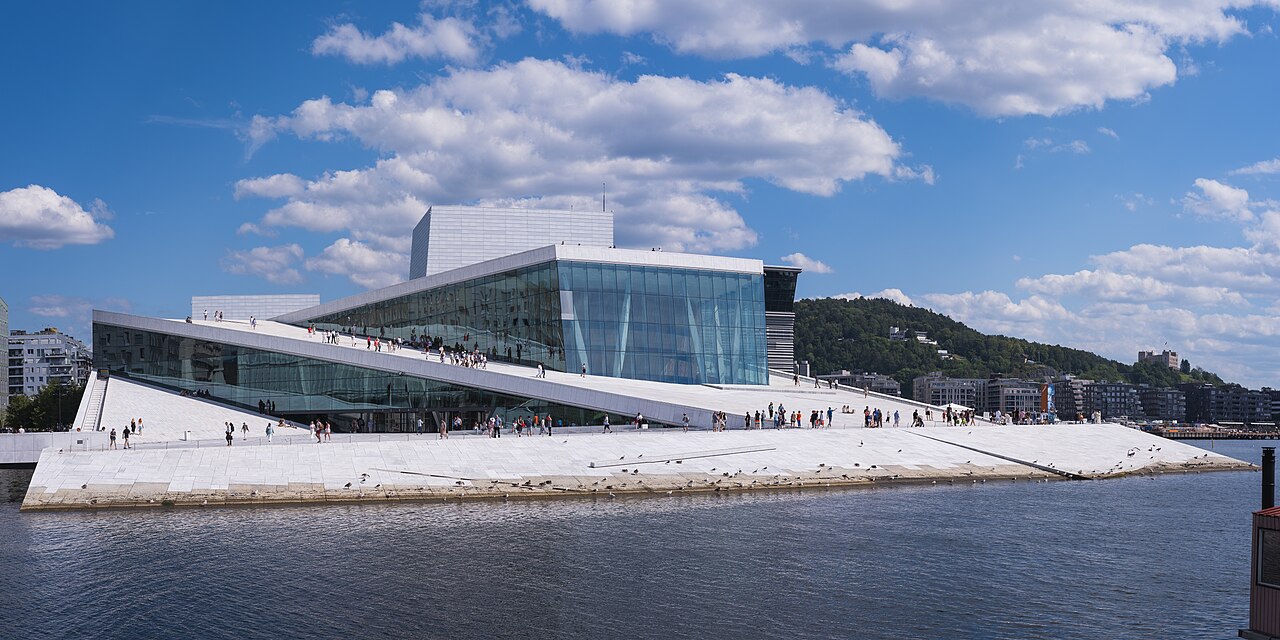
The Oslo Opera House on the edge of the Oslofjord

A fjord at the edge of a capital.

The Oslo Opera House on the edge of the Oslofjord. Photo: Christian David.

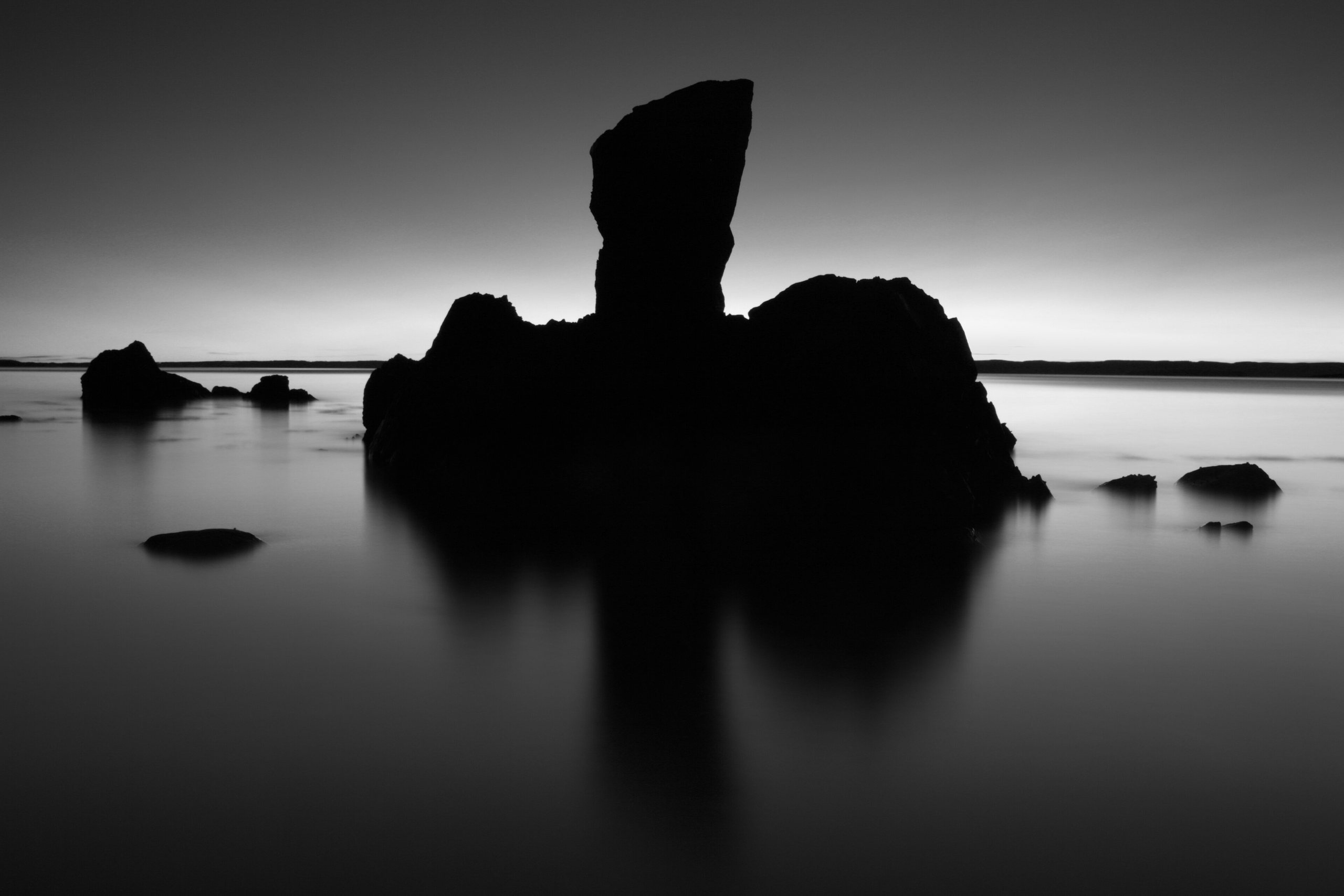
The rock formation Brura (The Bride) on Jeløy in the Oslofjord at dusk

There is more here than you can see.

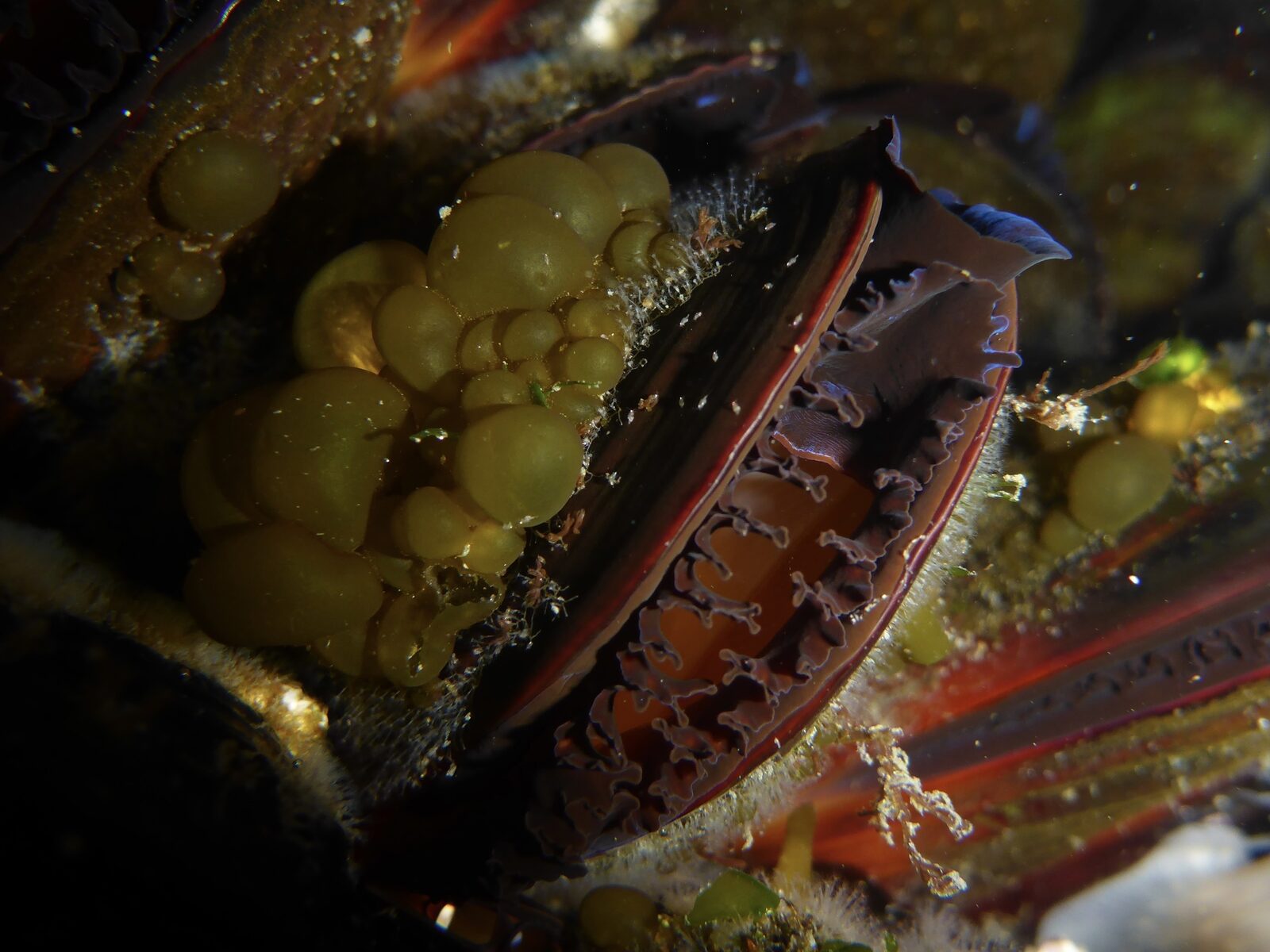
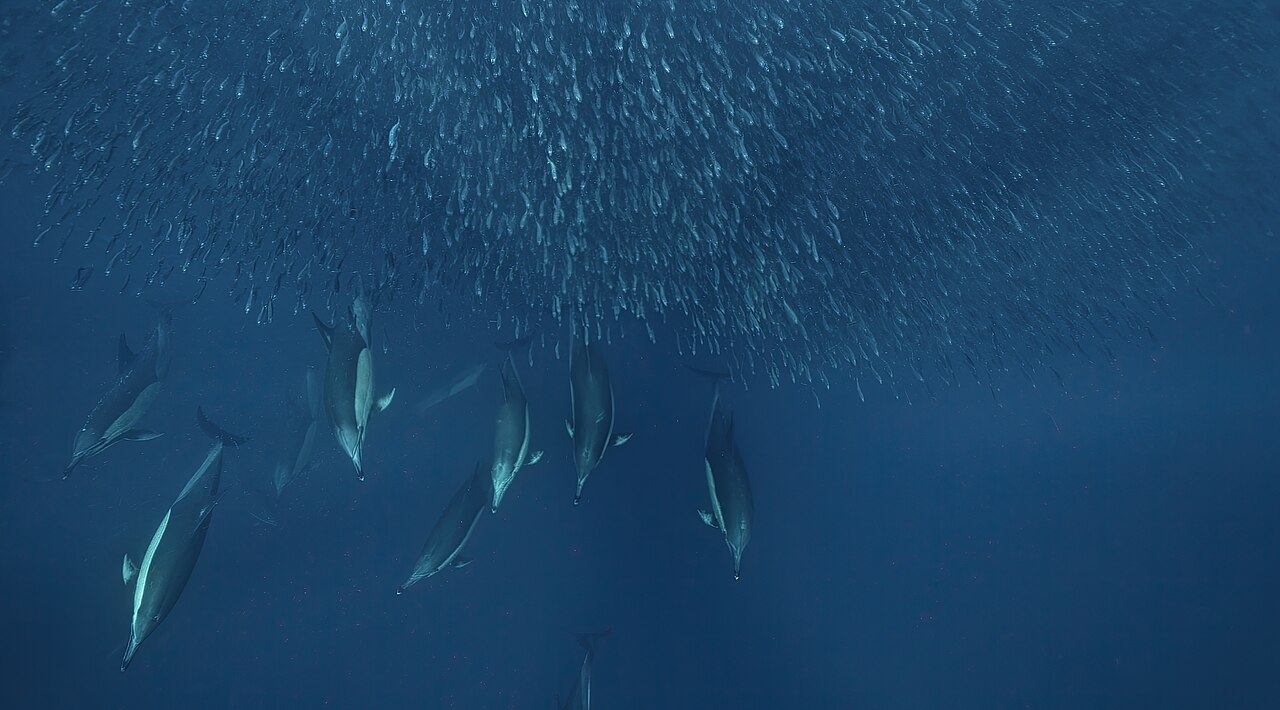
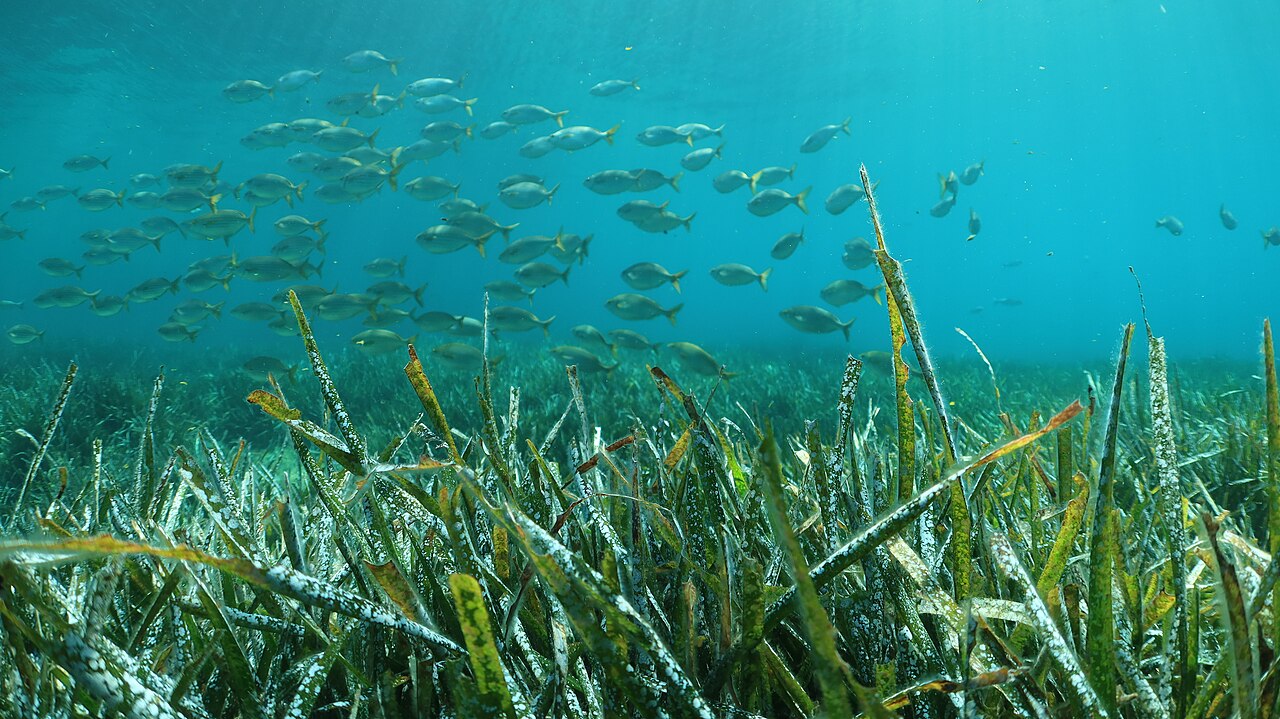
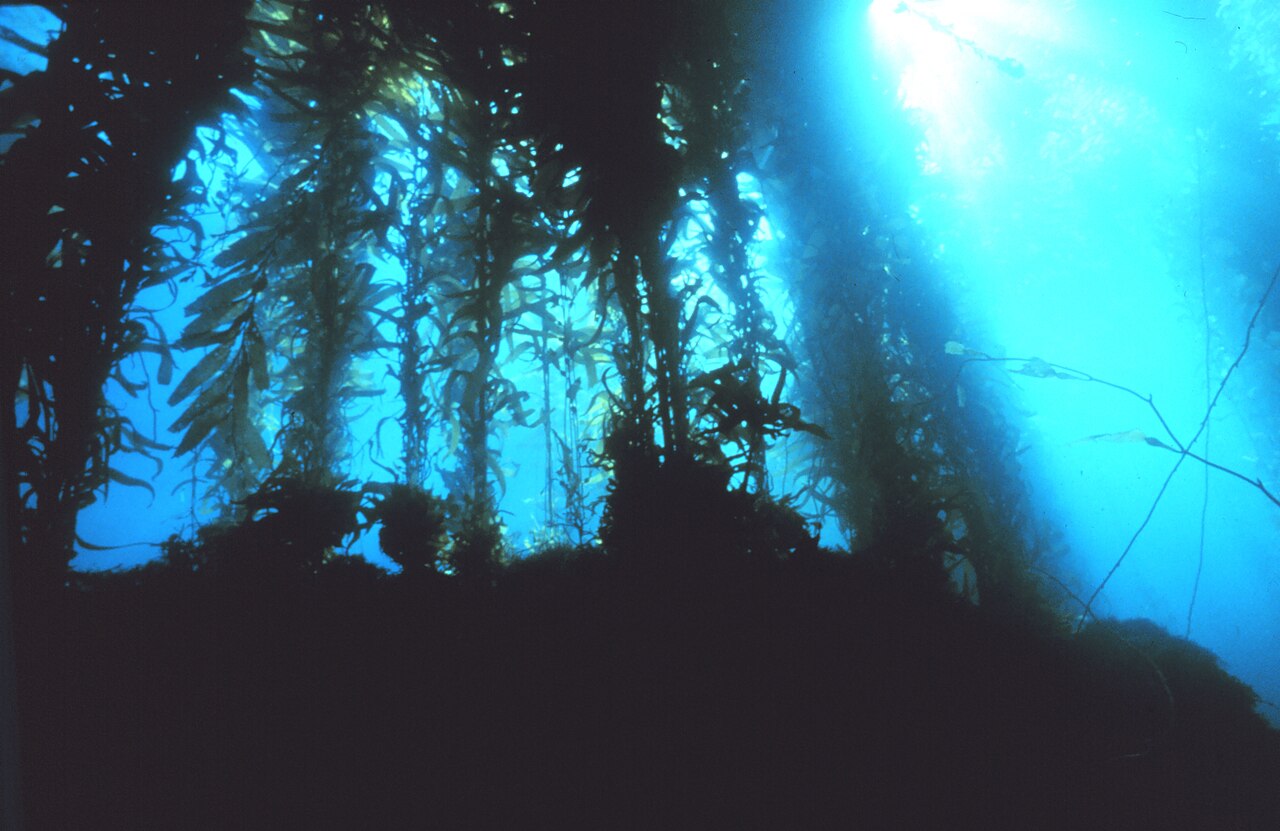
Beneath the surface, eelgrass, kelp and mussel beds shelter young fish, and connect the coast, its wildlife and the people who live around it.

Photo: Professionalnorwegianphotographer (CC BY-SA 4.0)

Tap an animal.

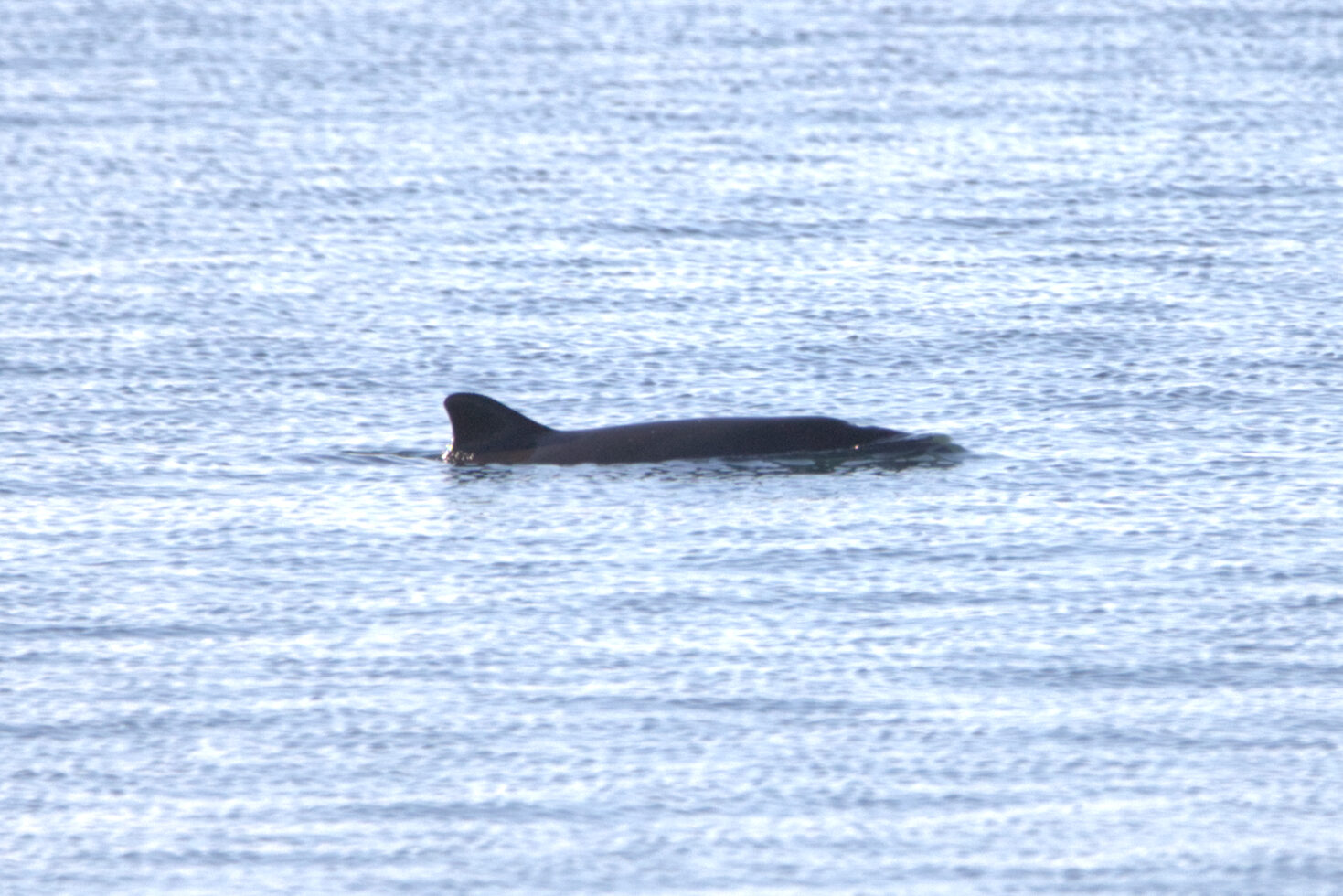
Every light is a record of the harbour porpoise shared with science: 800 in this view. It shows where people looked, not the full range.

GBIF · NASA GIBS · Blue Marble Next Generation (NASA) · Terrain: Mapzen/AWS · OpenFreeMap · © OpenStreetMap contributors

What is pushing it to the edge

The main threats, each with the evidence behind it and what works against it.

What works

The answers with the strongest evidence.

The organisations on the ground

What they do here. Support them directly.

Films worth your evening

Documentaries from the 4Planet film library. Trailers play right here.

The Custodians

People on Scotland’s west coast work to restore seagrass and rebuild the relationship between coastal communities and the habitats around them.

About the film
Artifishal

A film about wild salmon, hatcheries and fish farms — and the human decisions shaping rivers, fisheries and the future of wild fish.

About the film
A Plastic Ocean

A global expedition traces plastic pollution through marine environments, wildlife and food chains while examining technologies and practical responses.

About the film

From 4Planet Magazine

Stories behind the numbers.

Test yourself

Questions about the Oslofjord. Every answer links to its source.

Question 1 of 4

How many technical measures were in the Oslofjord action plan adopted in 2021?

Question 2 of 4

By how much must nitrate inputs to the fjord fall, compared with 2017–2019?

Question 3 of 4

What came into force in parts of the Oslofjord in January 2026?

Question 4 of 4

Which small whale lives in the Oslofjord?

One living planet.

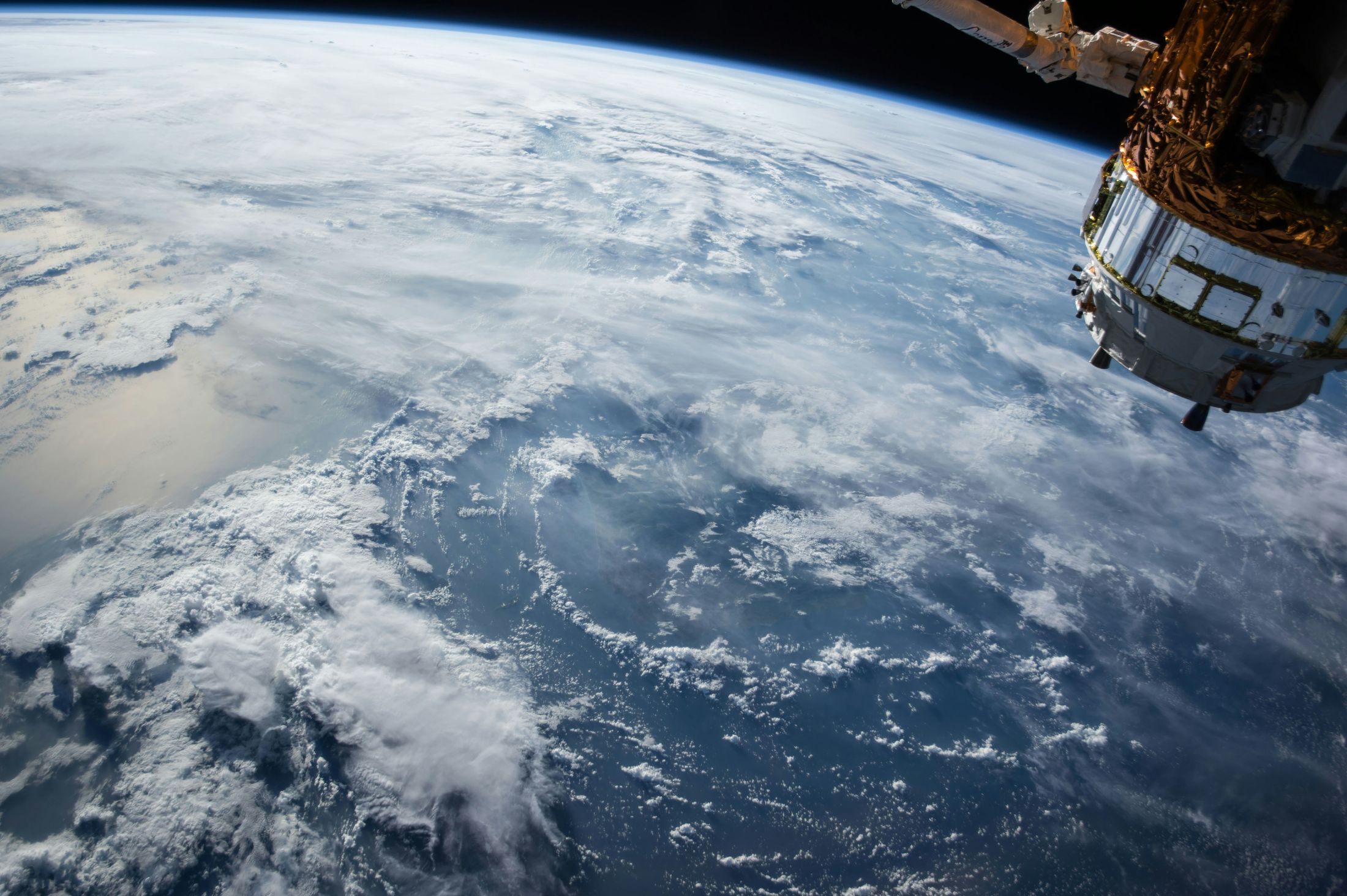
The Earth turning against the Milky Way. The Oslofjord is one part of a living whole.

NASA GIBS · Blue Marble Next Generation (NASA) · Terrain: Mapzen/AWS · OpenFreeMap · © OpenStreetMap contributors

4PLANET

For a Living Planet

Independent, no ads, free for everyone. Join and follow the living planet with us.