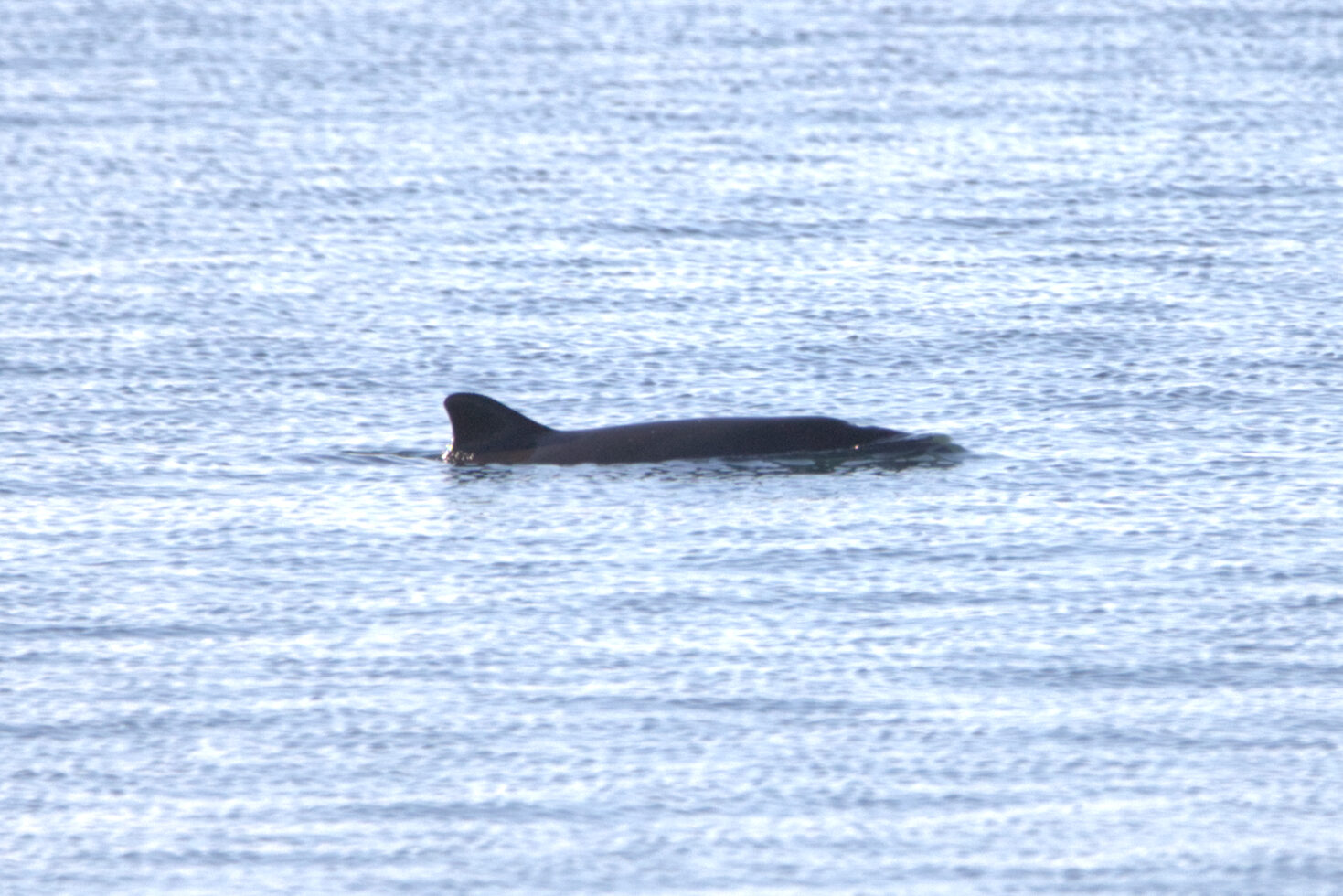
What is pushing the Oslofjord.
The pressures on the fjord, each with the evidence behind it and what works against it.
Photo: Eric Habisch
At a glance
 Nitrogen and phosphorus pollutionAbout 200 million tonnes of nitrogen are lost to nature each year, feeding algae and more than 400 ocean…
 OverfishingMore than a third of the world's assessed fish stocks are overfished. Where fishing is heaviest, what it…
 Plastic pollutionWhere plastic waste escapes into rivers and the sea, which habitats and animals it hits, and what is…
Nitrogen and phosphorus pollution
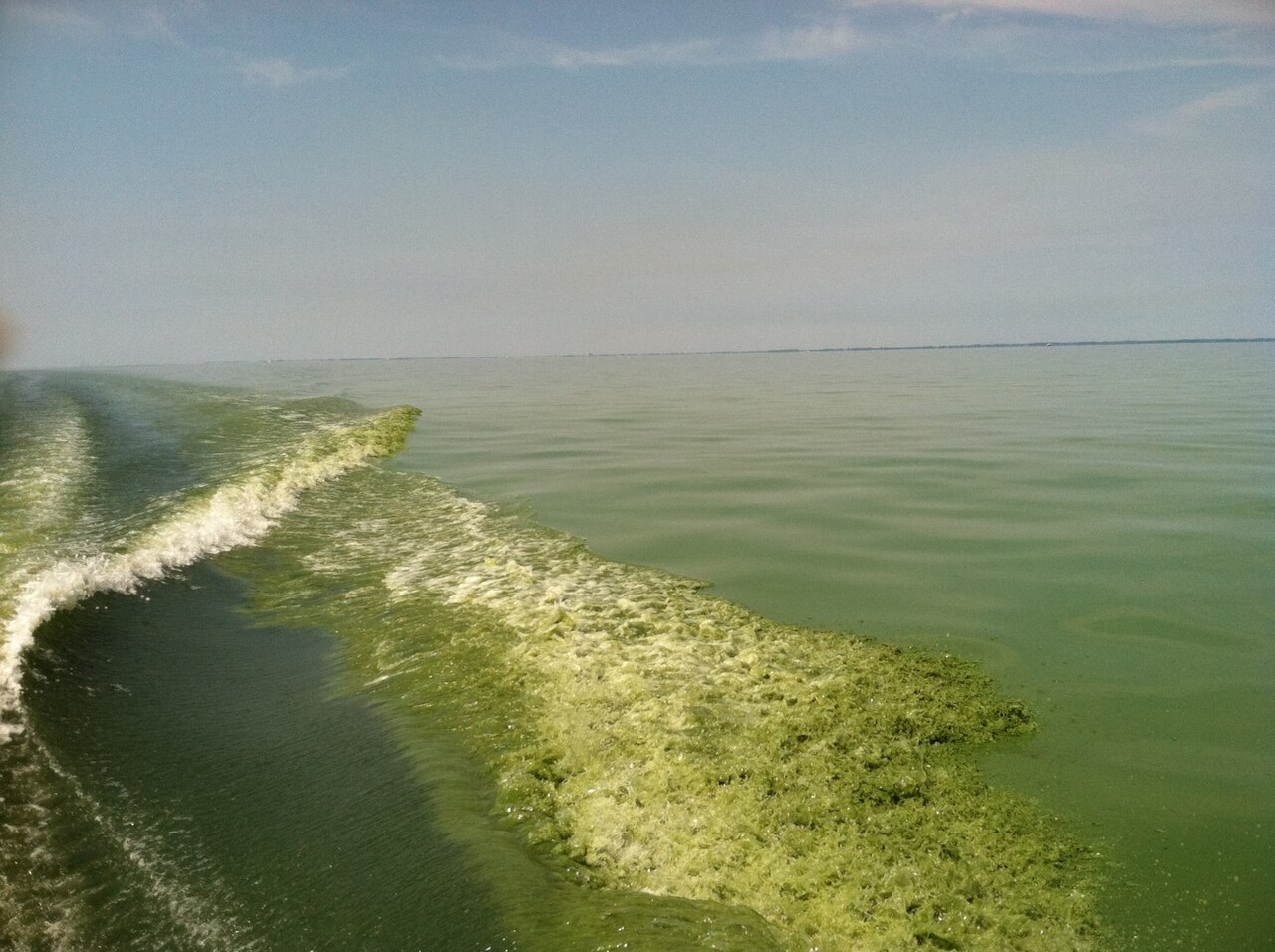
Nitrogen and phosphorus make crops grow. Farms spread them as fertiliser and manure, and towns and factories release them in wastewater and smoke.
About 80% of reactive nitrogen, some 200 million tonnes a year, is lost to the environment, leaching into soil, rivers and lakes or escaping to the air.
Source: UNEP · Facts about nitrogen pollution
Photo: NOAA Great Lakes Environmental Research Laboratory
Overfishing
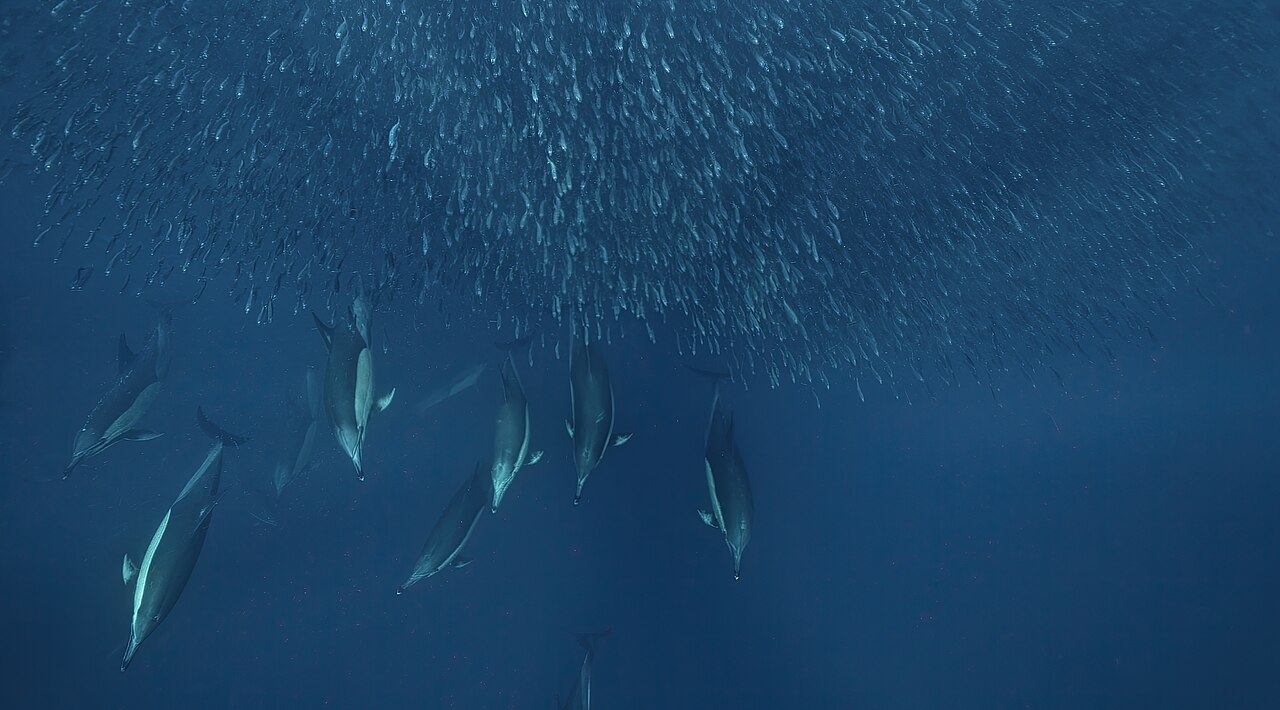
Fish feed billions of people and almost everything else in the sea, from dolphins and seabirds to sharks and whales. Overfishing means taking fish faster than they can breed and grow back.
FAO's 2025 assessment of 2,570 marine fish stocks found 35.5% overfished.
Source: FAO · Global marine fish stock assessment 2025
Photo: Stanislav Stelmakhovich
Plastic pollution
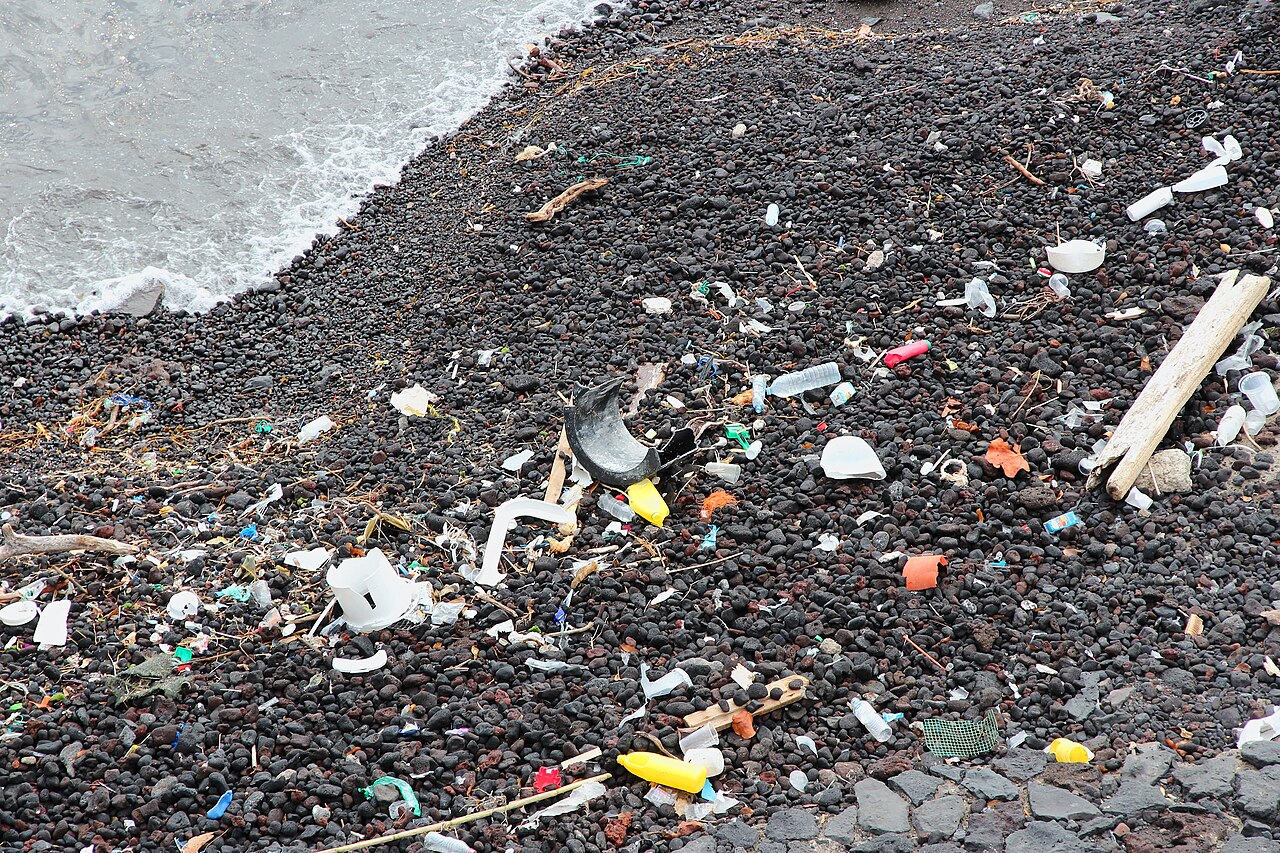
Most of the plastic ever made still exists in some form. Large amounts reach rivers and the sea every year, where it breaks into ever smaller pieces.
More than 400 million tonnes of plastic are made every year.
Source: UNEP · Turning off the Tap (2023)
Photo: Marek Ślusarczyk (Tupungato) Photo portfolio
4PLANET
For a Living Planet
Independent, no ads, free for everyone. Join and follow the living planet with us.