Coral reef belt · the tropical seas, 32° south to 32° north
Reefs under heat.
What the satellites and the coral assessments show, worldwide.
Natural Earth · NASA GIBS · Blue Marble Next Generation (NASA) · Terrain: Mapzen/AWS · OpenFreeMap · © OpenStreetMap contributors
The reefs, by the numbers
of the world's coral reef area had bleaching-level heat stress between early 2023 and mid-2025, in the Pacific, Atlantic and Indian Oceans.
NOAA NESDIS · World's fourth mass coral bleaching event likely ended in 2025of global reef area was hit in the 2014–2017 event, until then the largest on record.
NOAA Climate.gov · How does 2023–24 global coral bleaching compare to past events?of the reef-building coral species assessed are threatened with extinction: 340 of 774.
IUCN · Nearly half of reef-building coral species face elevated risk of extinction (Oct 2026)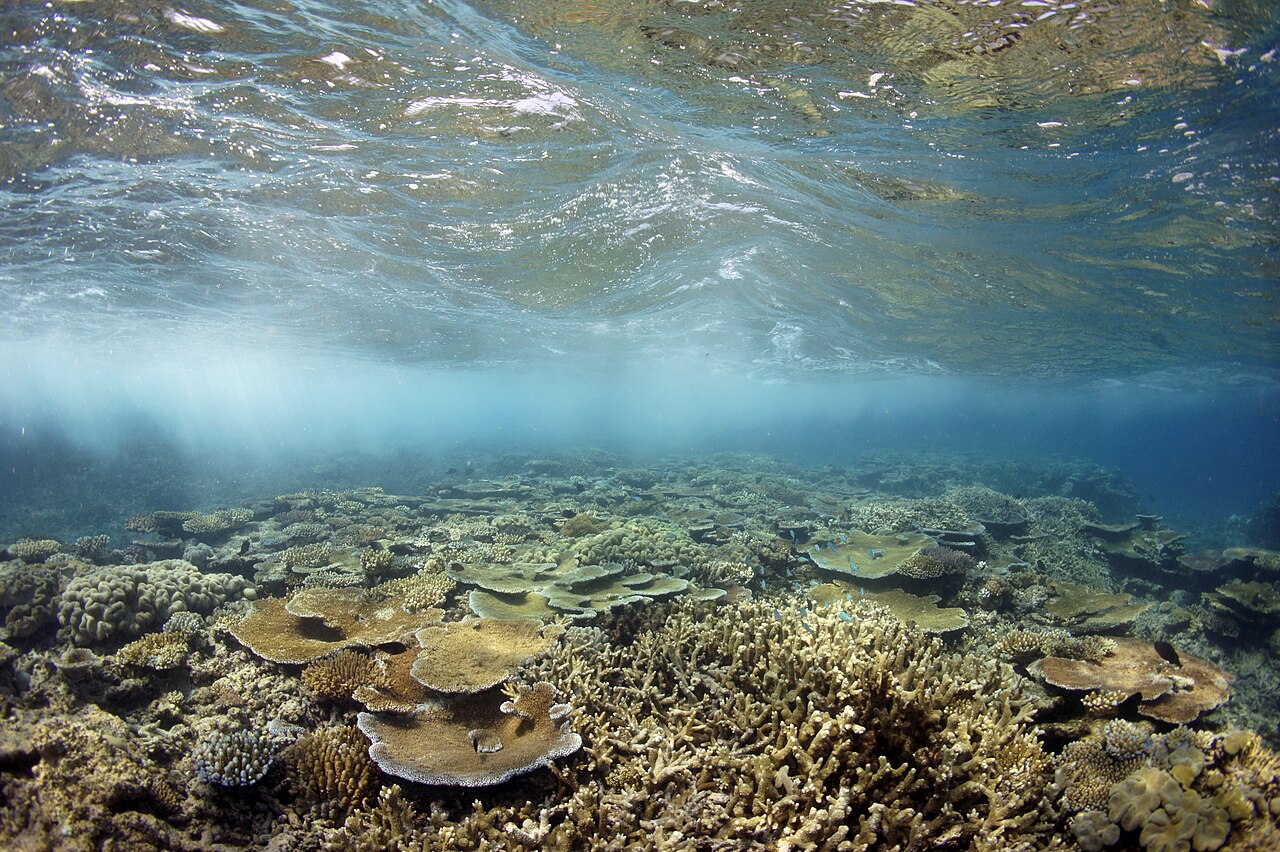
When the sea gets too warm
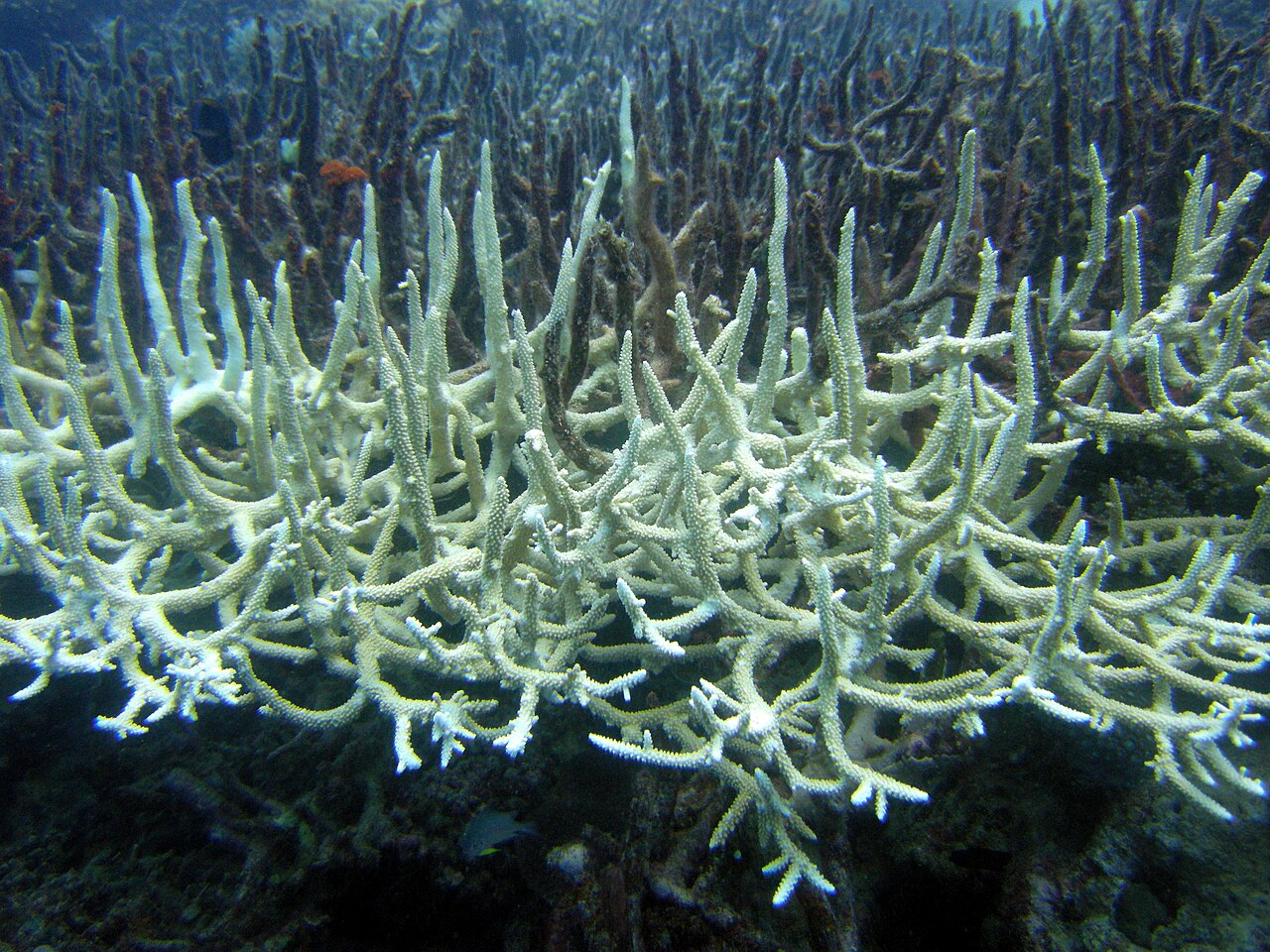
When the water stays too warm for too long, corals expel the algae that feed them and turn white. NOAA confirmed the fourth global bleaching event in 2024, the second in ten years.
The fourth global coral bleaching event on record, confirmed in 2024.
Source: NOAA · NOAA confirms 4th global coral bleaching event (2024)
Photo: Holobionics (CC BY-SA 4.0)
The biggest event yet
From early 2023 to mid-2025, bleaching-level heat stress reached 84% of the world's reef area. Heat stress is not the same as bleaching: not every reef that was heated bleached.
84% of the world's coral reef area, all three ocean basins.
Source: NOAA NESDIS · World's fourth mass coral bleaching event likely ended in 2025
Photo: Matt Kieffer (CC BY-SA 2.0)
The corals themselves
A global reassessment found that 44% of the reef-building coral species with enough data are threatened with extinction.
340 of 774 assessed species threatened.
Source: IUCN · Nearly half of reef-building coral species face elevated risk of extinction (Oct 2026)
Photo: B.navez (CC BY-SA 4.0)
Life on the reefs
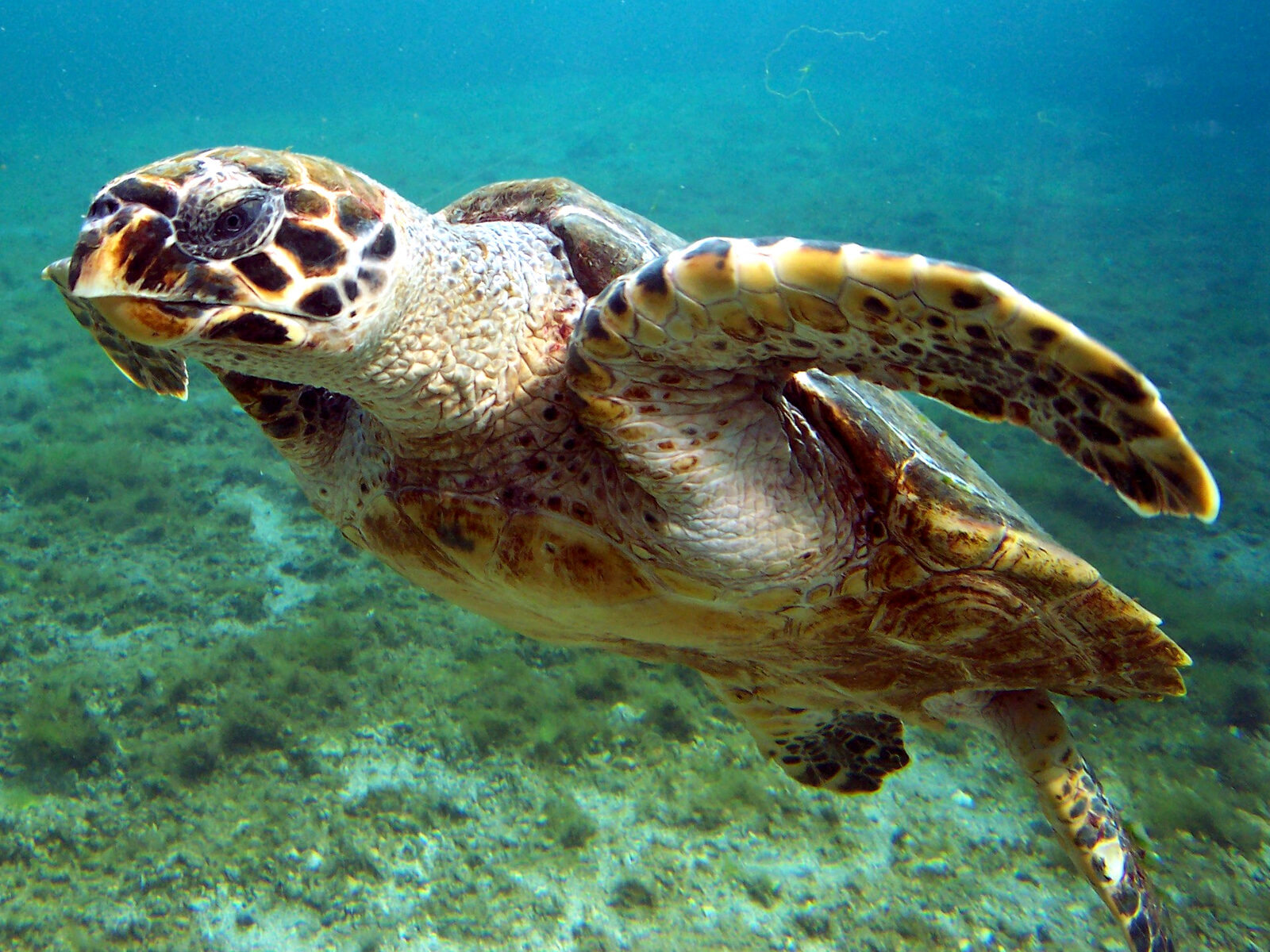
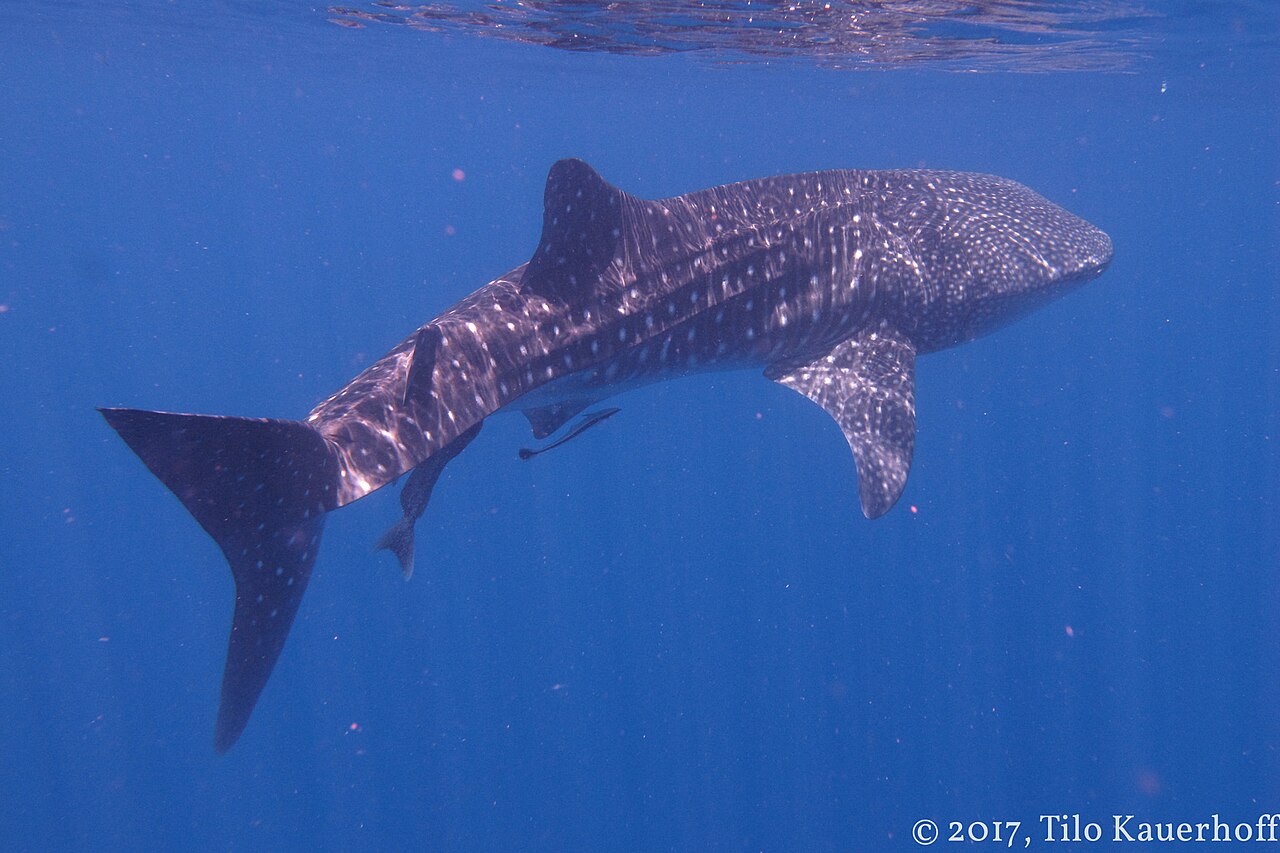
Turtles, reef sharks, manta rays, whale sharks and octopuses all depend on the reefs and the seas around them.
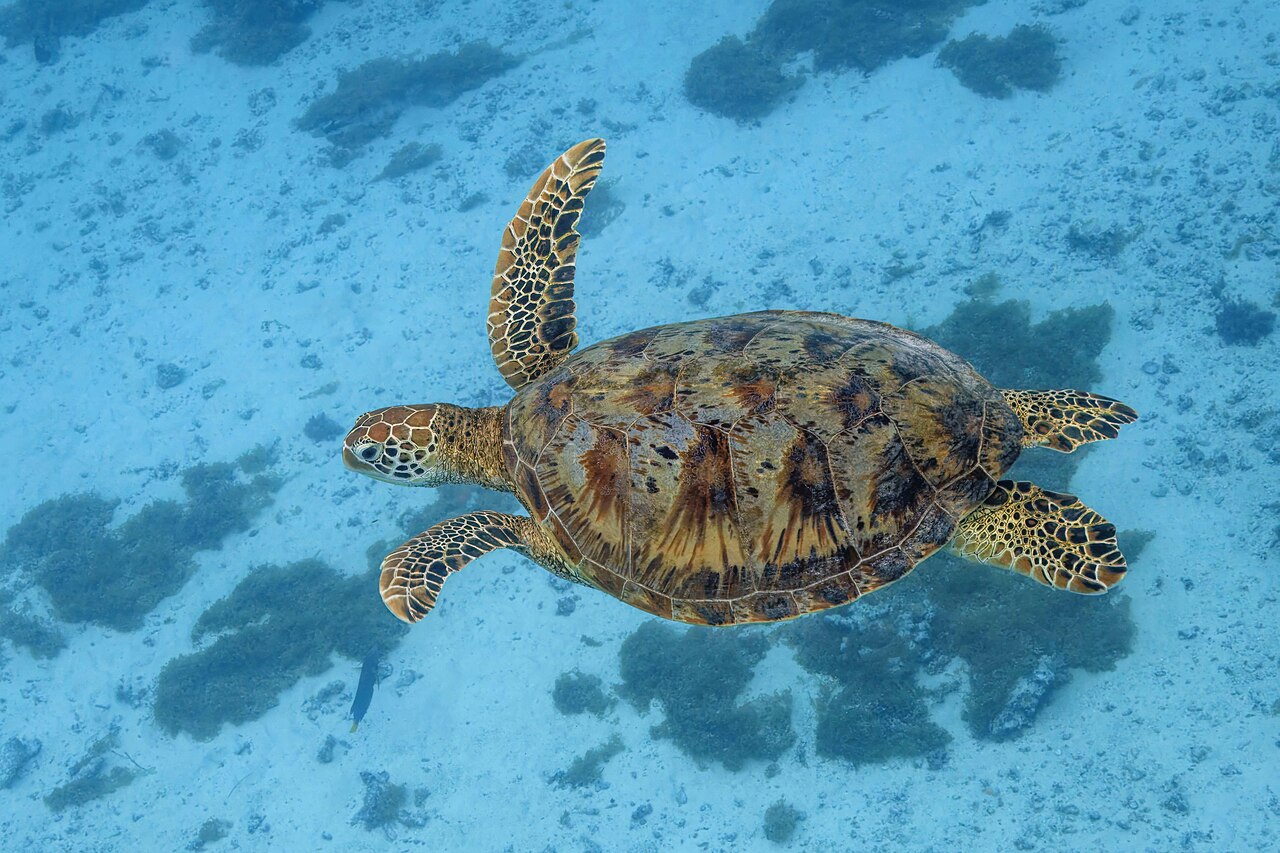 Green sea turtle
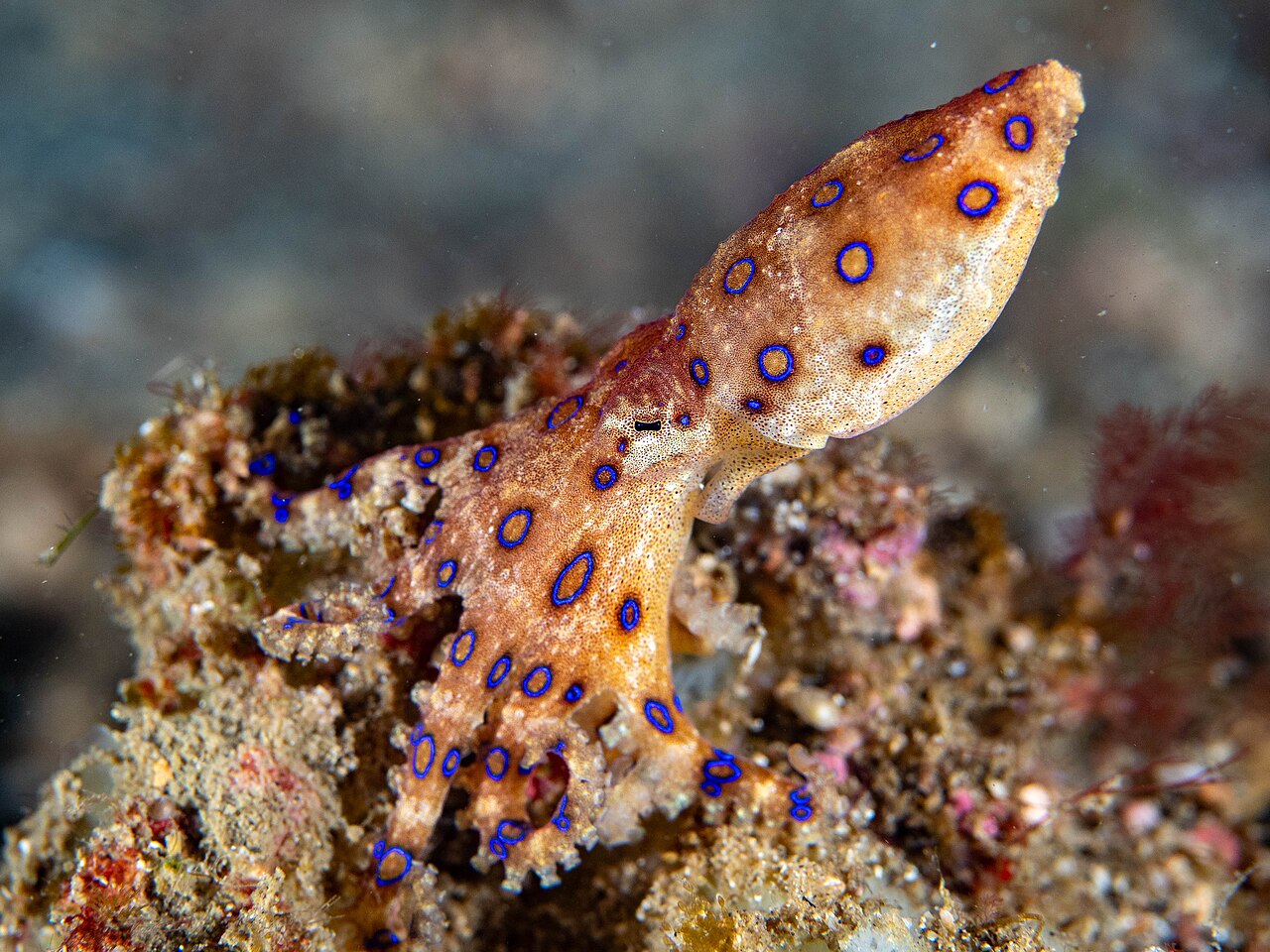 Greater blue-ringed octopus
Photo: Tilonaut (CC BY 3.0)
4PLANET
For a Living Planet
Independent, no ads, free for everyone. Join and follow the living planet with us.