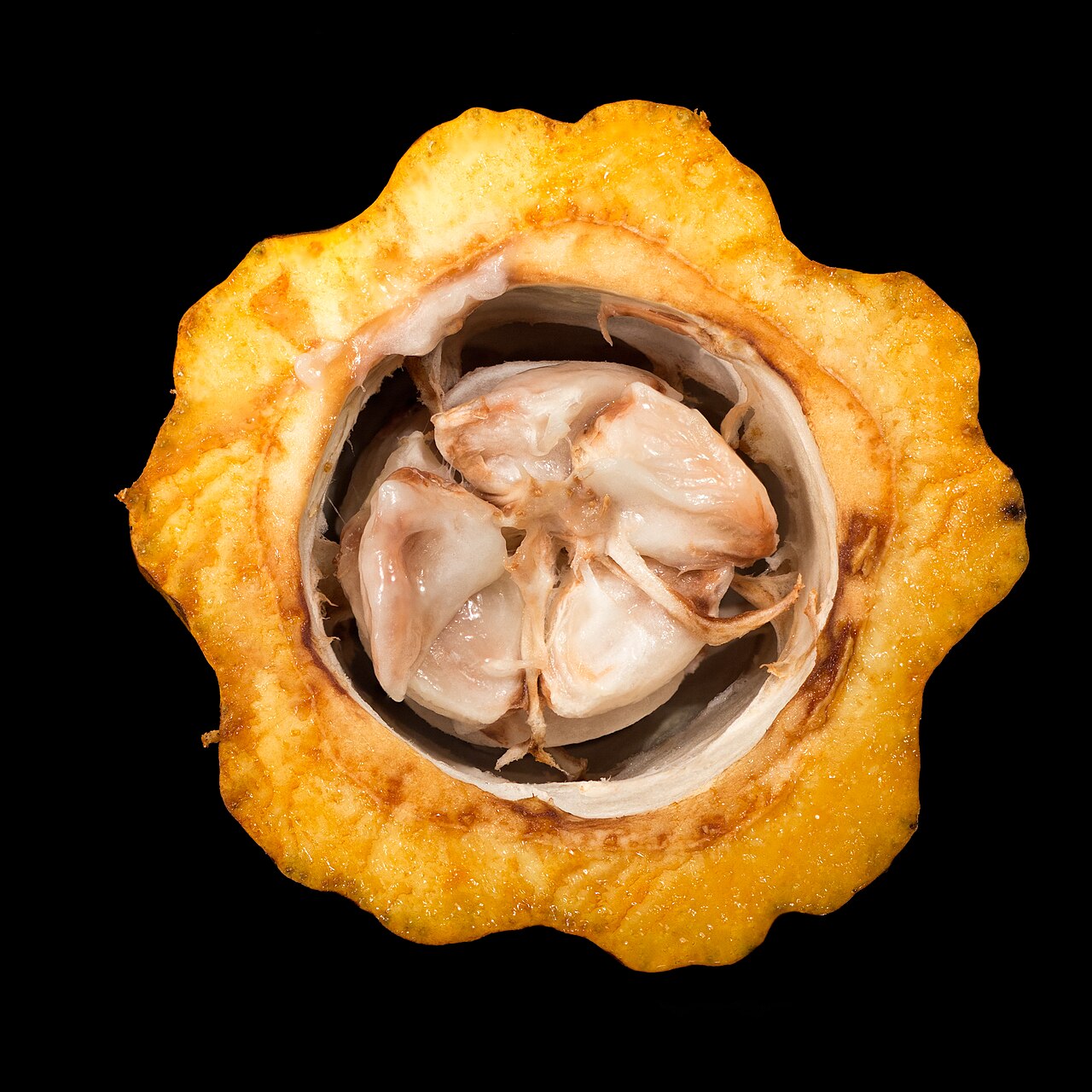
Product · chocolate products
Milk chocolate
One kilogram of milk chocolate emits 12.6 kg of CO₂e over its life, from the farm to your table. That is number 9 of the 30 chocolate products measured in France, heaviest first.
The footprint
Milk chocolate per kilogram, as eaten
AGRIBALYSE 3.2, ADEME and INRAE (Licence Ouverte 2.0), via Open Food Facts. Life cycle from farm to fork, losses included; France average. Food type: Milk chocolate bar.
On the shelf
Every one of the 30 chocolate products, side by side
Switch what you measure and the shelf re-sorts. A product that is light on climate can still be heavy on water or land.
kg CO₂e per kg · 14 distinct footprints shown · bars on a square-root scale
- Dark chocolate, filled with mint confectionery
- Dark chocolate bar, more than 70% cocoa +3 similar
- Dark chocolate bar, more than 40% cocoa, for cooking
- Dark chocolate bar, with dried fruits (nuts, almonds, raisin, praline)
- Milk chocolate, filled
- Milk chocolate bar +3 similar
- White chocolate bar, with dried fruits (nuts, almonds, raisins, praline) +1 similar
- Milk chocolate bar, with dried fruits (nuts, almonds, raisins, praline)
- Chocolate confectionery, filled with wafer +3 similar
- Sugar and chocolate coated peanut
- Chocolate spread with hazelnuts
- Chocolate bar with biscuit +3 similar
- Coated chocolate bar without biscuit
- Coconut bar, with chocolate coating +3 similar
Where the climate cost comes from
68% of it is land cleared for farming
- Fossil fuels: 2.4 kg CO₂e (19%)
- Biogenic (methane from animals, rice, waste): 1.6 kg CO₂e (13%)
- Land-use change (land cleared for farming): 8.6 kg CO₂e (68%)
Land-use change counts the carbon released when forest or grassland is turned into farmland for an ingredient. It depends on where the ingredient is grown, so it is the part a sourcing choice can change most.
Where it weighs most
Compared with the typical food
Each bar is milk chocolate against the median of all 2,458 foods in AGRIBALYSE, per kilogram.
- Climate
×4.5 - Land
×3.8 - Rivers and sea
×2.5 - Air
×1.7 - Fossil energy
×1.3 - Water scarcity
×1.1
Your share
How much do you eat?
The same amount of chocolate bar with biscuit would be kg CO₂e a year.
Per-kg value × amount. Same unit, same source.
Where it starts
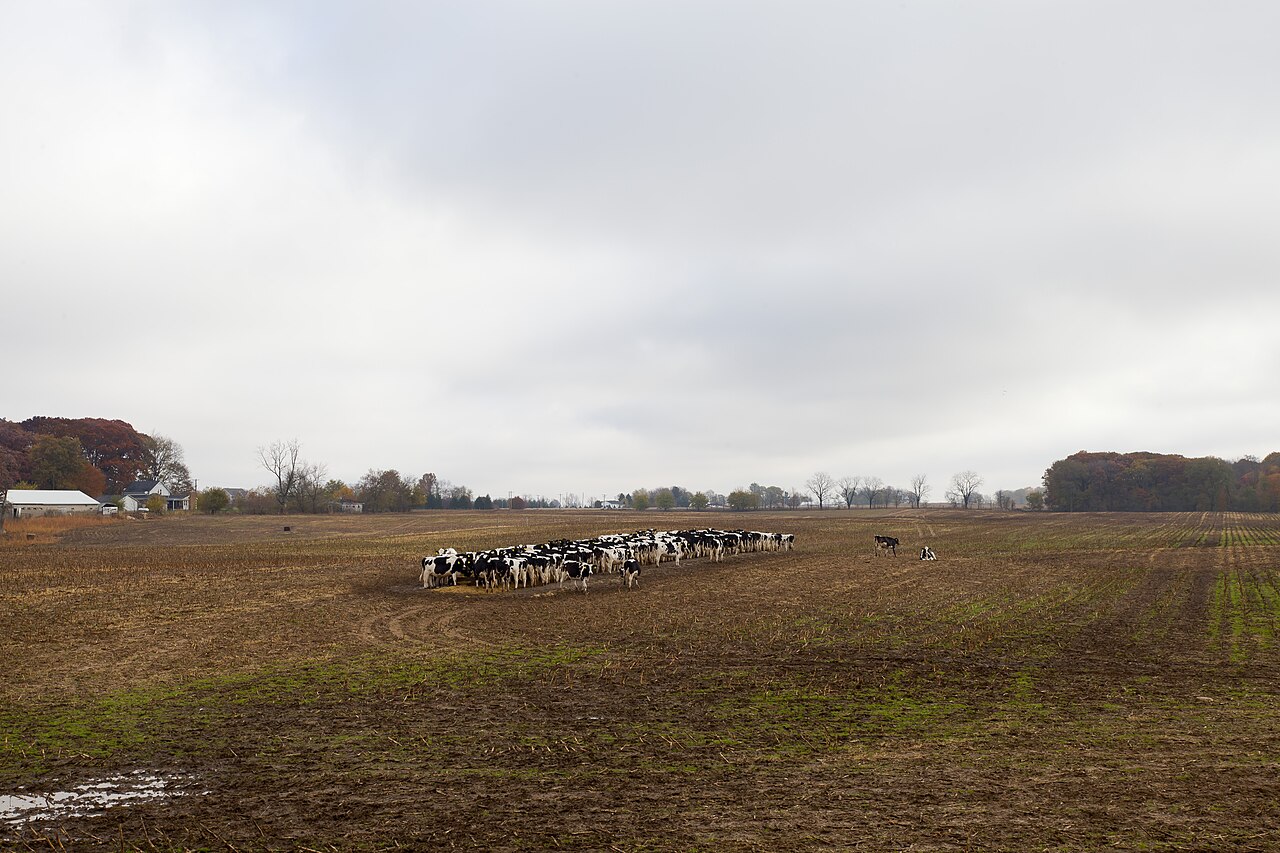
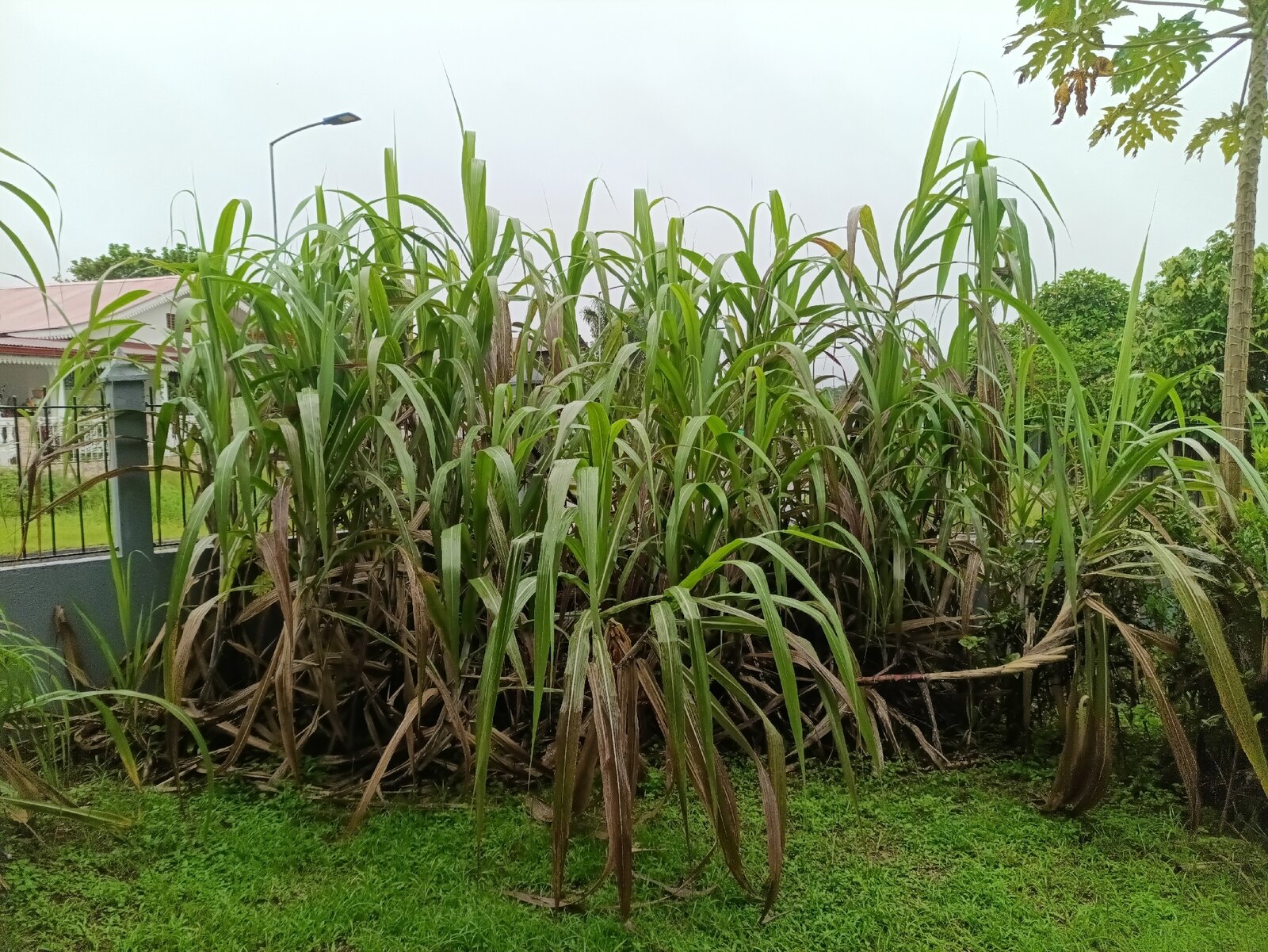
Made from
What the data say
Known, and not known
- KNOWNA life-cycle assessment of milk chocolate bar as sold and eaten in France: farming, processing, packaging, transport, the shop and the kitchen.
- KNOWNIn the model it is shelf-stable, kept at room temperature.
- INTERPRETEDData quality score 1.81 on AGRIBALYSE's scale from 1 (very good) to 5 (very poor).
- UNKNOWNA specific brand's recipe, farms and transport. A real product can sit well above or below this average.