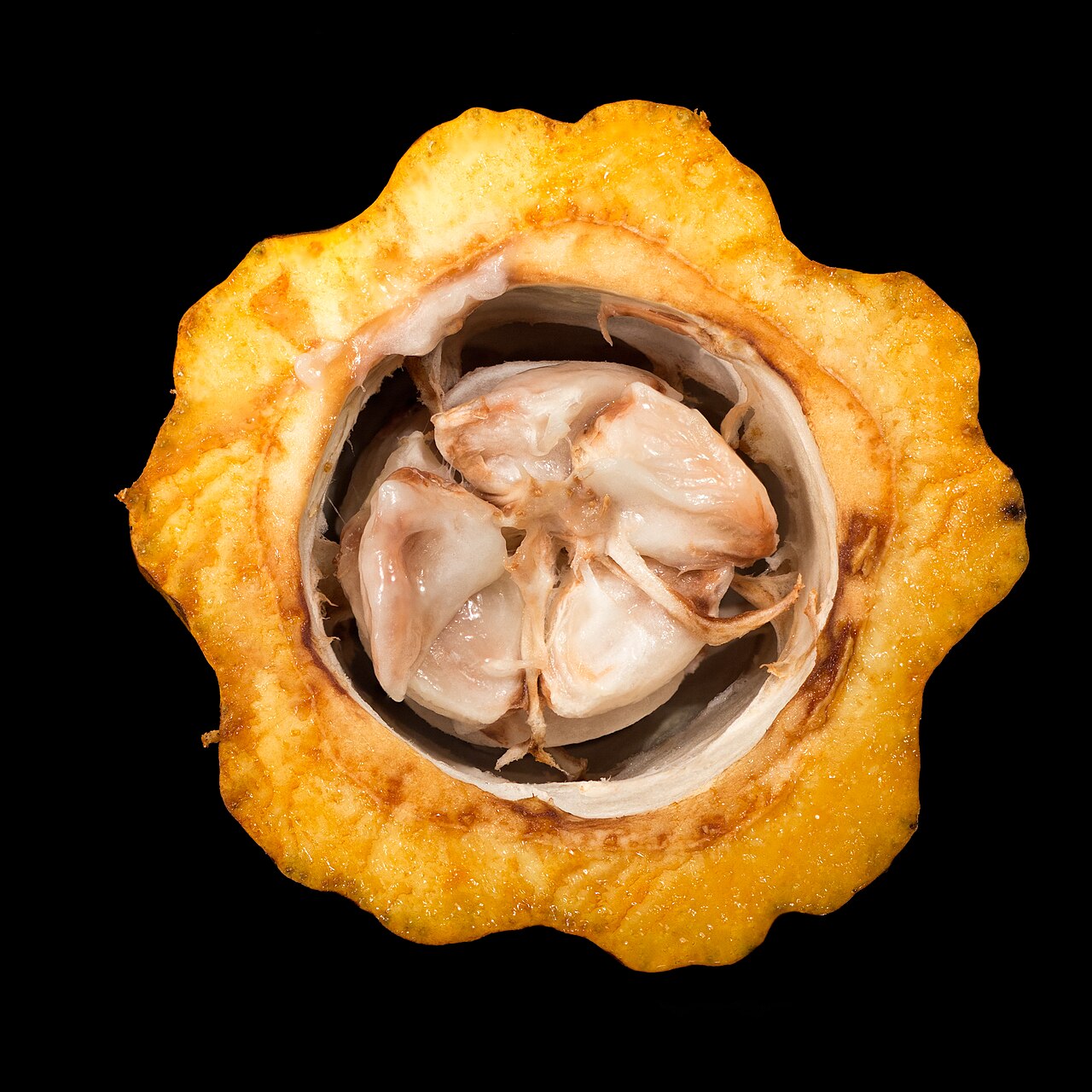
Product · chocolate products
Chocolate spread
One kilogram of chocolate hazelnut spread emits 9.1 kg of CO₂e over its life, from the farm to your table. That is number 21 of the 30 chocolate products measured in France, heaviest first.
The footprint
Chocolate spread per kilogram, as eaten
AGRIBALYSE 3.2, ADEME and INRAE (Licence Ouverte 2.0), via Open Food Facts. Life cycle from farm to fork, losses included; France average. Food type: Chocolate spread with hazelnuts.
On the shelf
Every one of the 30 chocolate products, side by side
Switch what you measure and the shelf re-sorts. A product that is light on climate can still be heavy on water or land.
kg CO₂e per kg · 14 distinct footprints shown · bars on a square-root scale
- Dark chocolate, filled with mint confectionery
- Dark chocolate bar, more than 70% cocoa +3 similar
- Dark chocolate bar, more than 40% cocoa, for cooking
- Dark chocolate bar, with dried fruits (nuts, almonds, raisin, praline)
- Milk chocolate, filled
- Milk chocolate bar, with puffed/popped cereals +3 similar
- White chocolate bar, with dried fruits (nuts, almonds, raisins, praline) +1 similar
- Milk chocolate bar, with dried fruits (nuts, almonds, raisins, praline)
- Chocolate confectionery, filled with wafer +3 similar
- Sugar and chocolate coated peanut
- Chocolate spread with hazelnuts
- Chocolate bar with biscuit +3 similar
- Coated chocolate bar without biscuit
- Coconut bar, with chocolate coating +3 similar
Where the climate cost comes from
55% of it is land cleared for farming
- Fossil fuels: 2.5 kg CO₂e (27%)
- Biogenic (methane from animals, rice, waste): 1.7 kg CO₂e (18%)
- Land-use change (land cleared for farming): 5 kg CO₂e (55%)
Land-use change counts the carbon released when forest or grassland is turned into farmland for an ingredient. It depends on where the ingredient is grown, so it is the part a sourcing choice can change most.
Where it weighs most
Compared with the typical food
Each bar is chocolate spread against the median of all 2,458 foods in AGRIBALYSE, per kilogram.
- Land
×3.6 - Climate
×3.3 - Water scarcity
×2.6 - Rivers and sea
×2.6 - Air
×1.7 - Fossil energy
×1.2
Your share
How much do you eat?
The same amount of peanut butter or peanut paste would be kg CO₂e a year.
Per-kg value × amount. Same unit, same source.
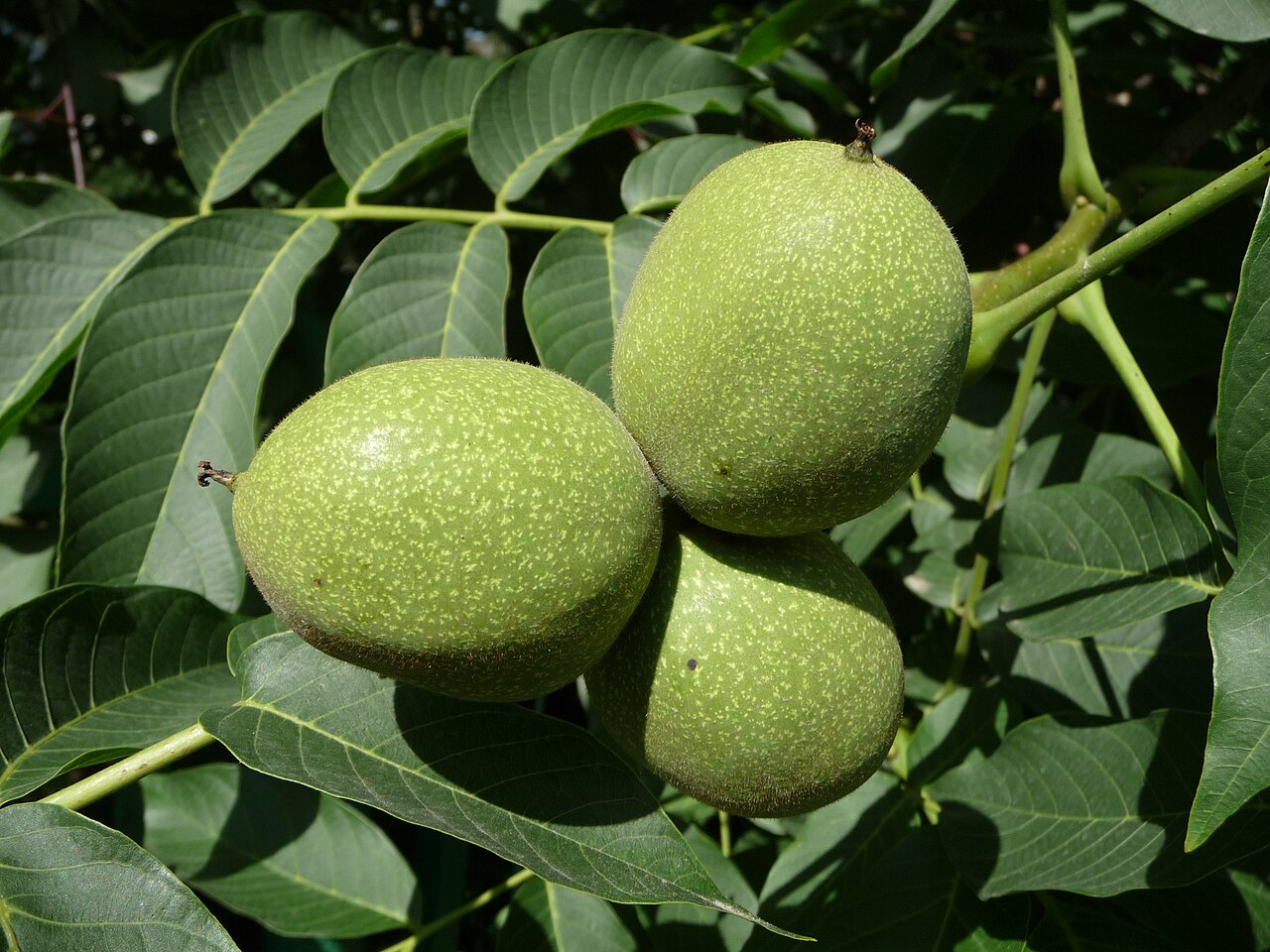
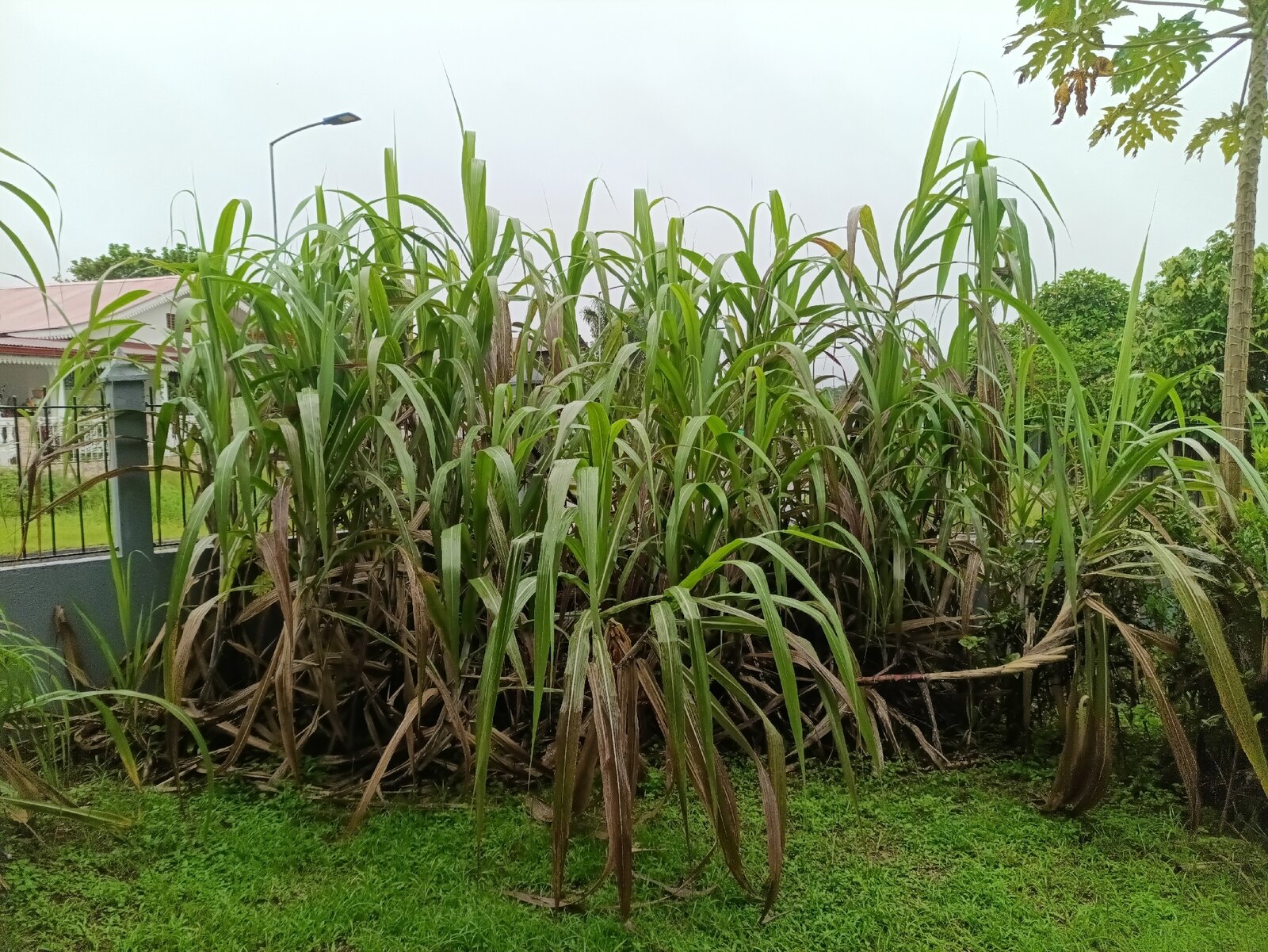
What the data say
Known, and not known
- KNOWNA life-cycle assessment of chocolate spread with hazelnuts as sold and eaten in France: farming, processing, packaging, transport, the shop and the kitchen.
- KNOWNIn the model it is shelf-stable, kept at room temperature.
- INTERPRETEDData quality score 1.56 on AGRIBALYSE's scale from 1 (very good) to 5 (very poor).
- UNKNOWNA specific brand's recipe, farms and transport. A real product can sit well above or below this average.