In short
- 4.81 million km²: Arctic sea ice at its yearly low, September 2026. The 1981–2010 September average was 6.41 million km².
- 264 billion tonnes: Ice Greenland lost each year between 2002 and 2025, raising global sea level by about 0.8 mm a year.
Every September the Arctic Ocean shows how much ice it managed to keep through the summer. This year it kept 4.81 million square kilometres.
That sounds like a lot of ice, and it is. But it is about a quarter less than the September average for 1981 to 2010. The missing part is about 1.6 million square kilometres: an area roughly four times the size of Norway.
What the number actually measures
Scientists count every patch of ocean where at least 15 percent of the surface is covered by ice. That area is the sea ice extent. It grows through the dark winter and shrinks through the summer, so two moments matter most: the winter high in March and the summer low in September.
In March 2026 the ice reached 14.13 million km², also below its 1981–2010 average of 15.43 million. 2026 was not the lowest year on record: that was 2012, when the summer ice shrank to 3.57 million km². But the low years keep coming.
Who lives on the ice
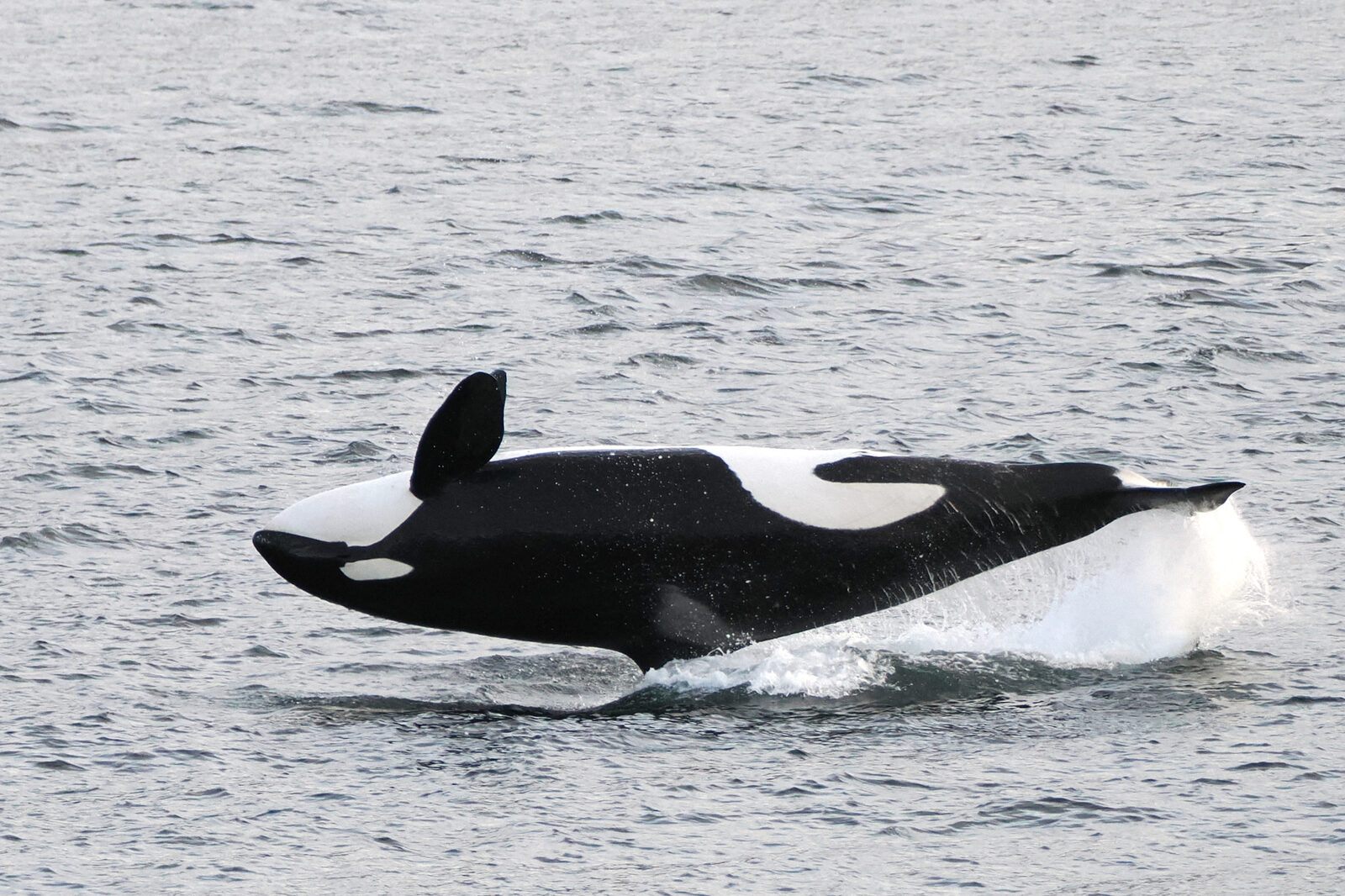
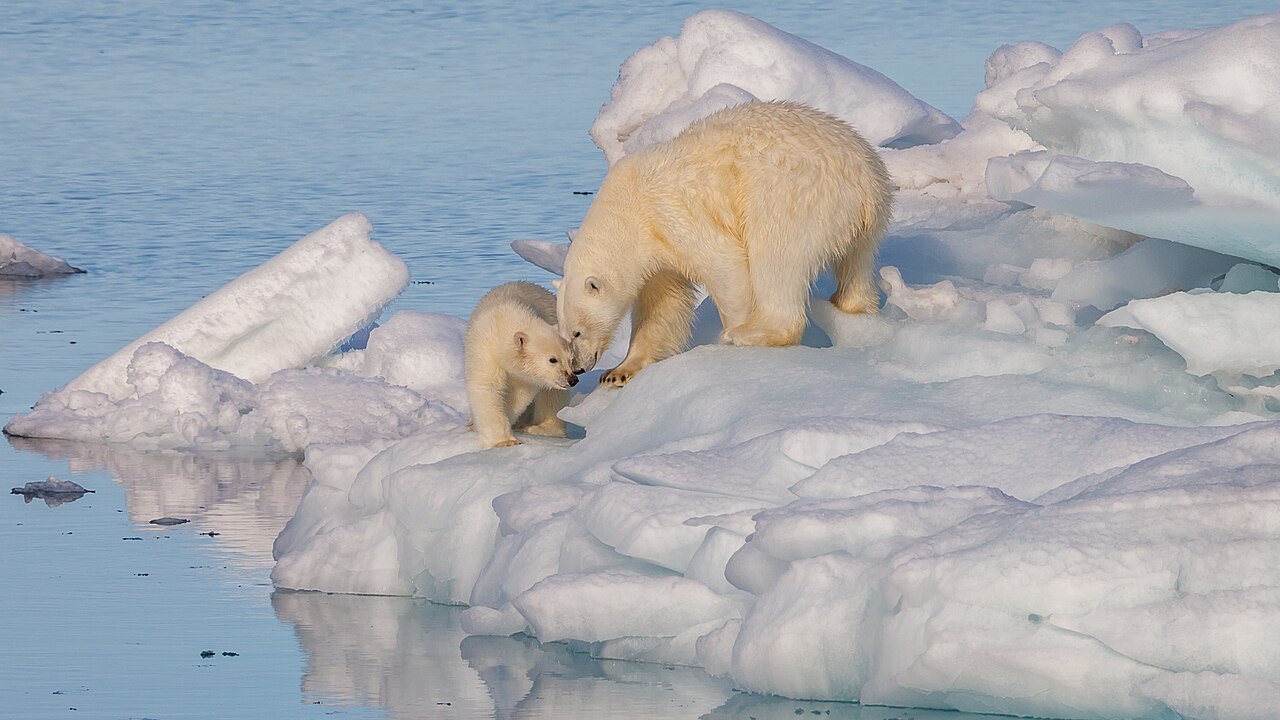
For the polar bear, the walrus and the Arctic fox, sea ice is a floor to hunt, rest and travel on. The bowhead whale spends its whole life in the cold waters around it. When the floor shrinks, their world shrinks with it.
Why it matters far from the Arctic
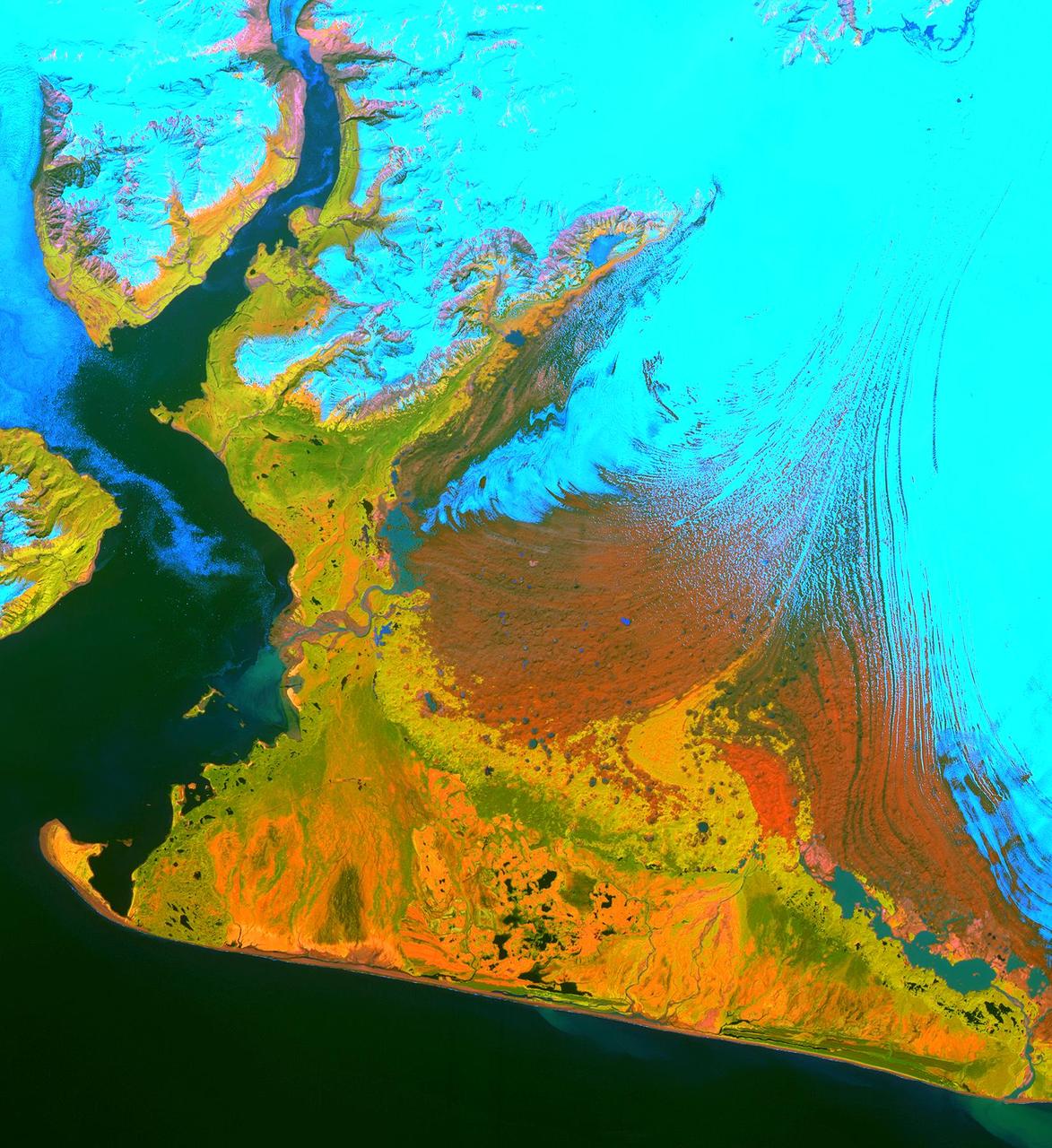
Sea ice floats, so when it melts it hardly changes the height of the sea. The ice on land does. The ice sheets on Greenland and Antarctica hold about two-thirds of all the fresh water on Earth.
Mountain glaciers tell the same story. Between 2000 and 2023 they lost 273 billion tonnes of ice a year, about 5 percent of all their ice, and the loss in the second half of that period was 36 percent faster than in the first. Every coastline feels it in the end, which is why sea level rise and ocean warming belong in the same conversation.
See it for yourself
Follow the ice from orbit to the single crystal in the ice story, or open the frozen part of Earth and see what it connects to. The numbers here are updated as new measurements come in.