Sea-level rise
A pressure on the living planet, and what is being done about it.
Global mean sea level has risen about 21–24 centimetres since 1880, mostly from meltwater from glaciers and ice sheets and from seawater expanding as it warms. The rise is speeding up: since satellite measurements began in 1993, the yearly rate has more than doubled.
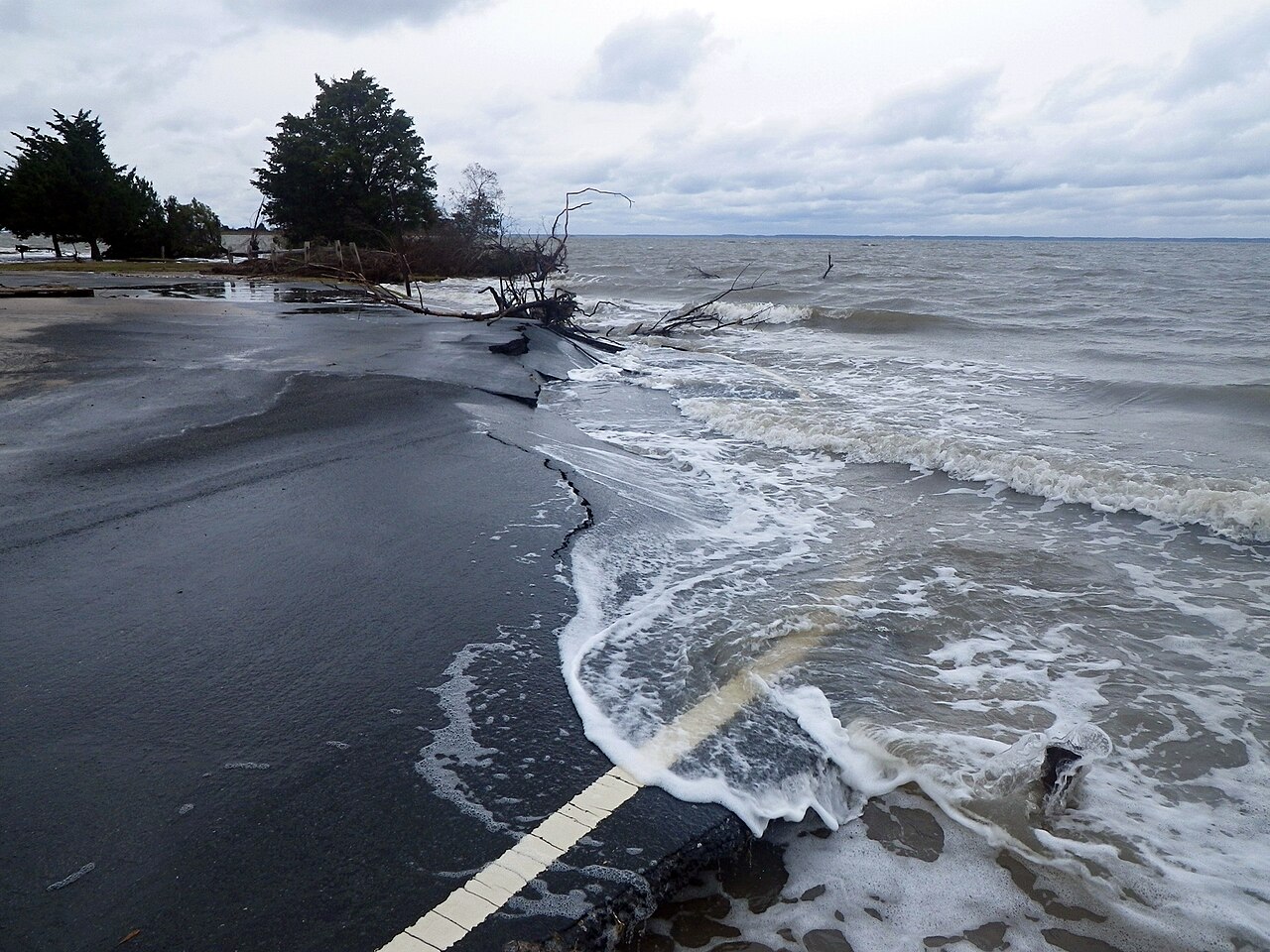
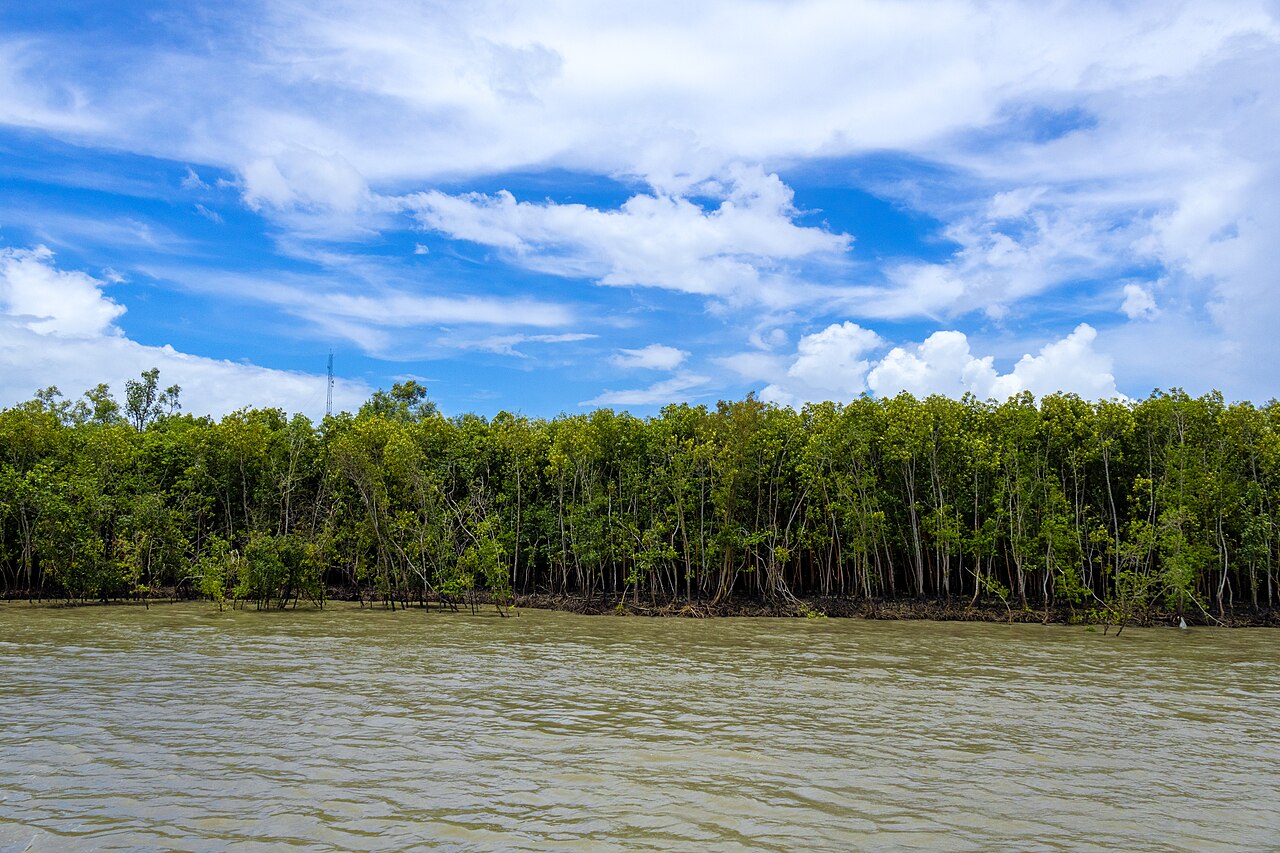
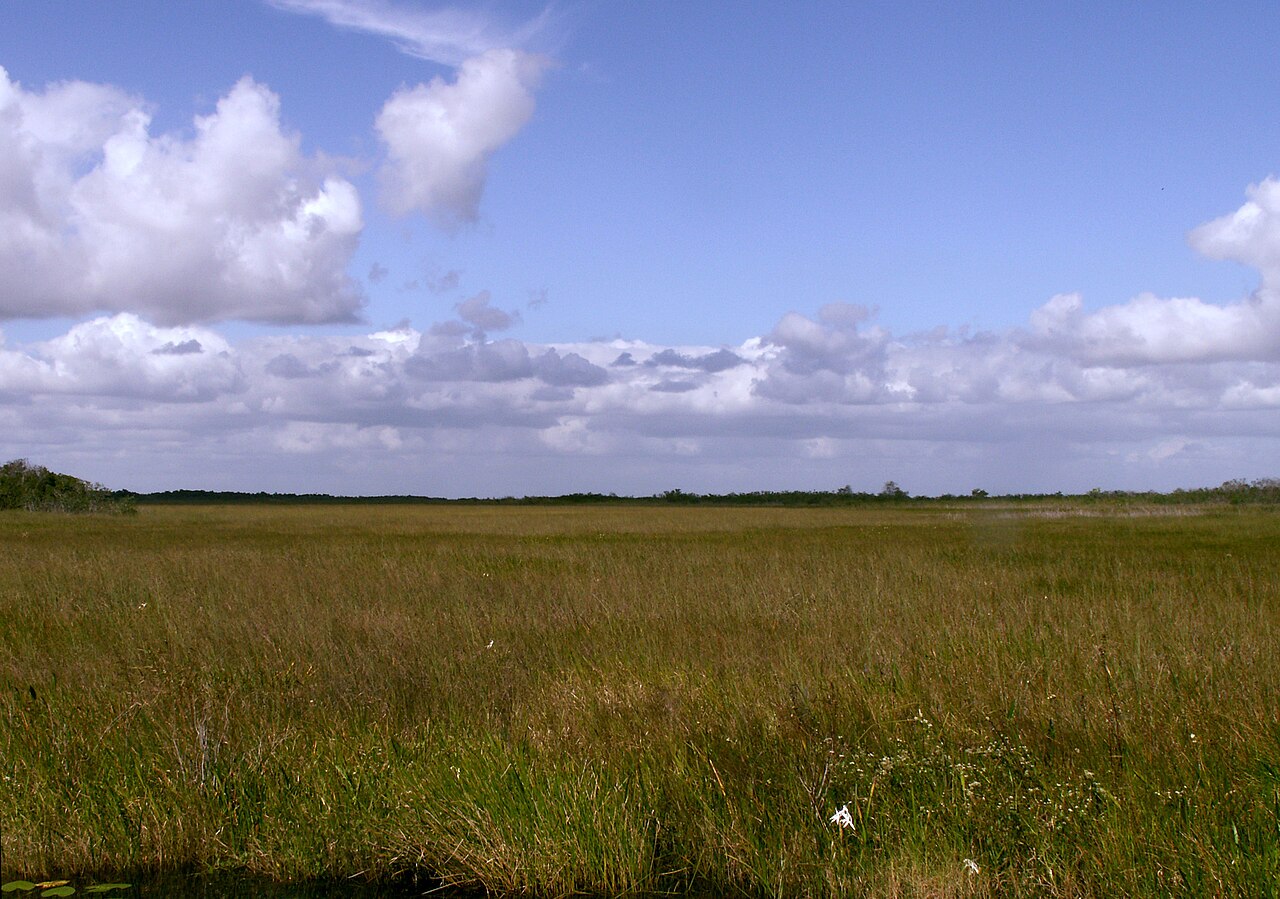
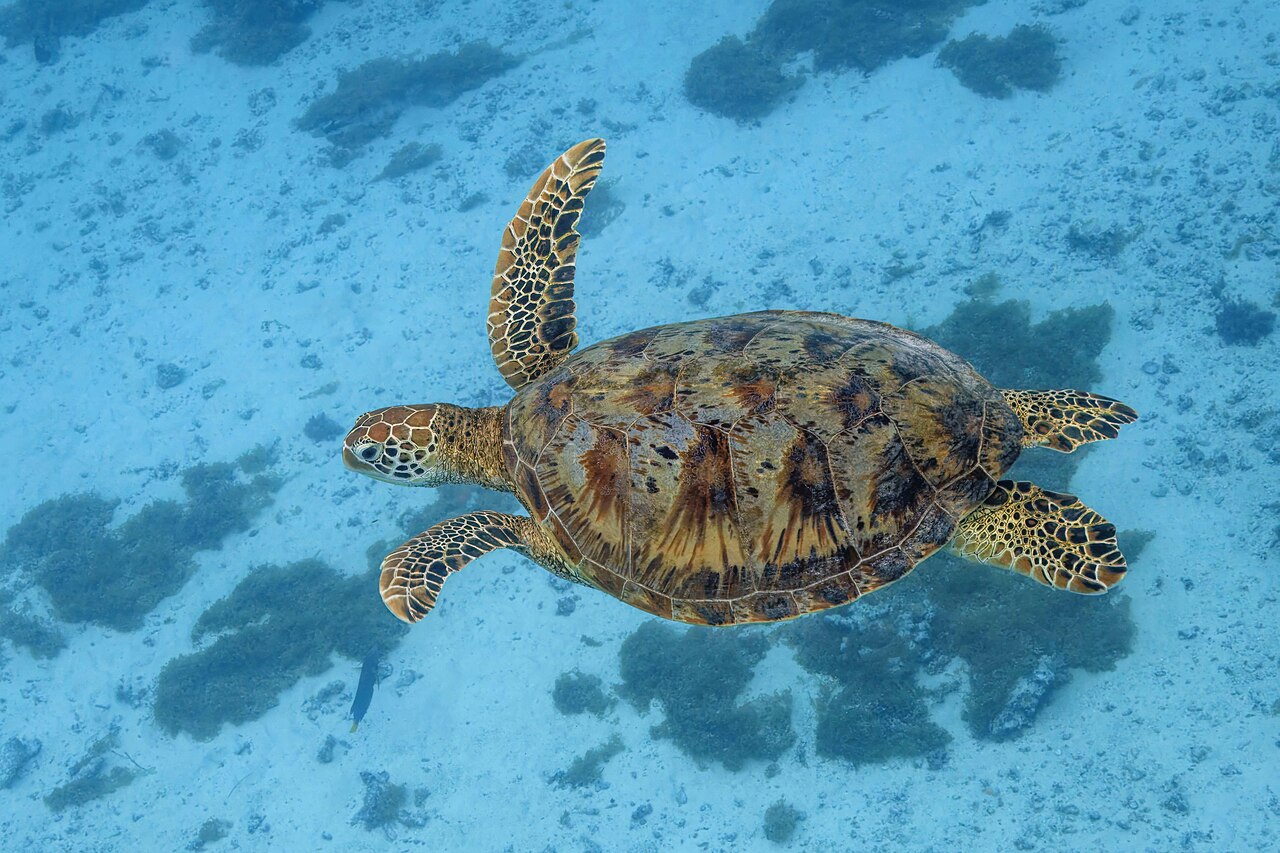
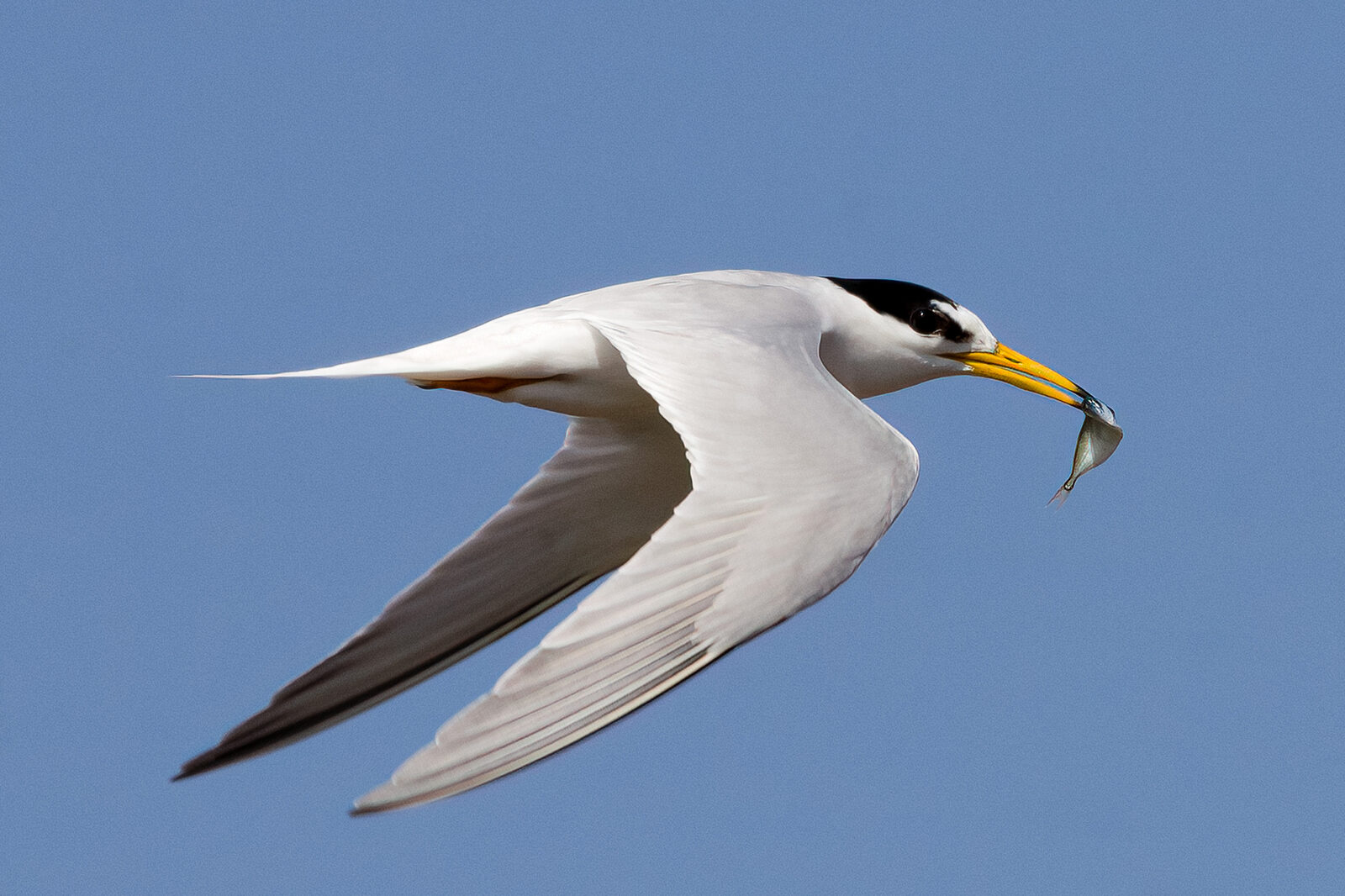
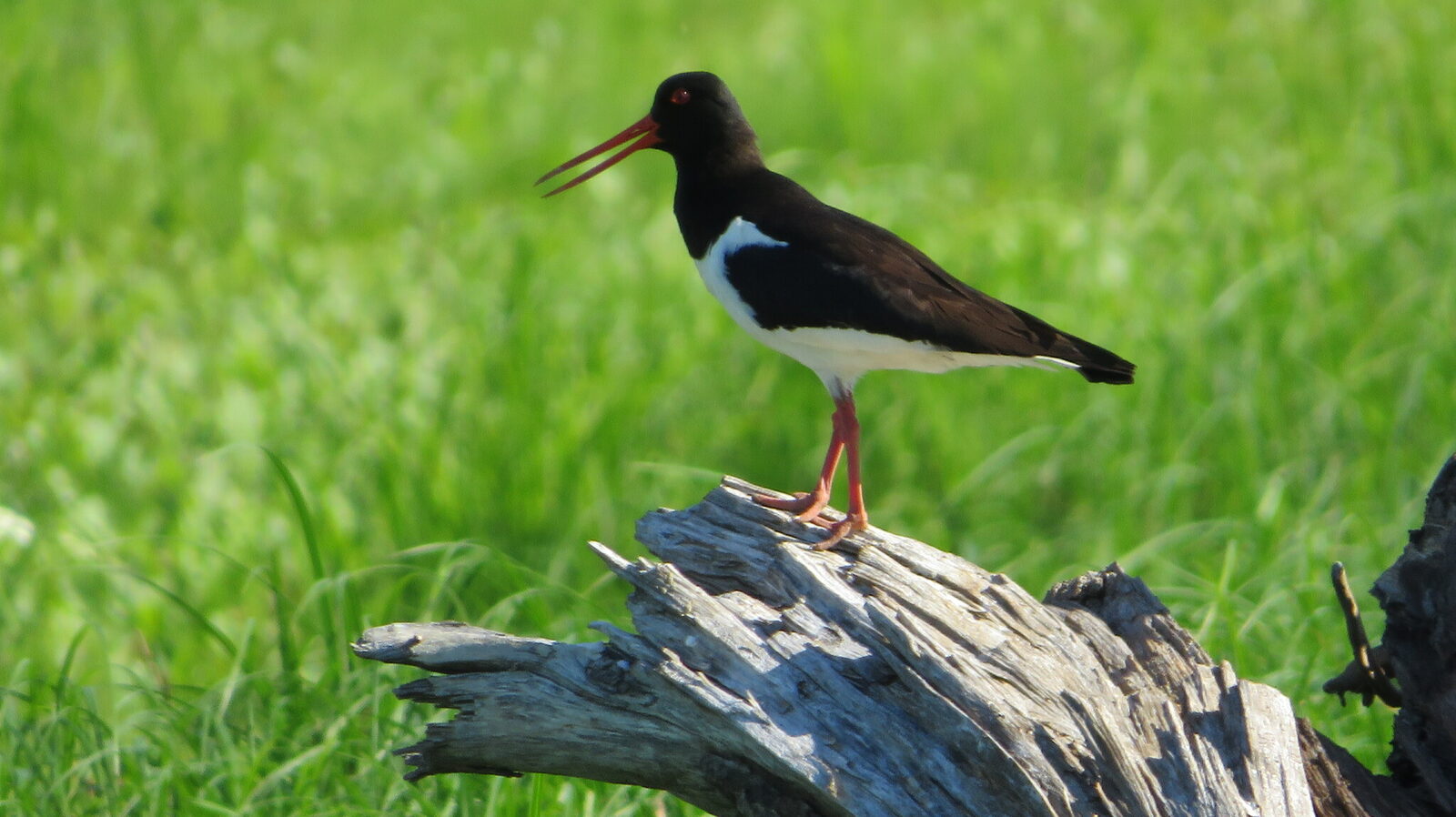
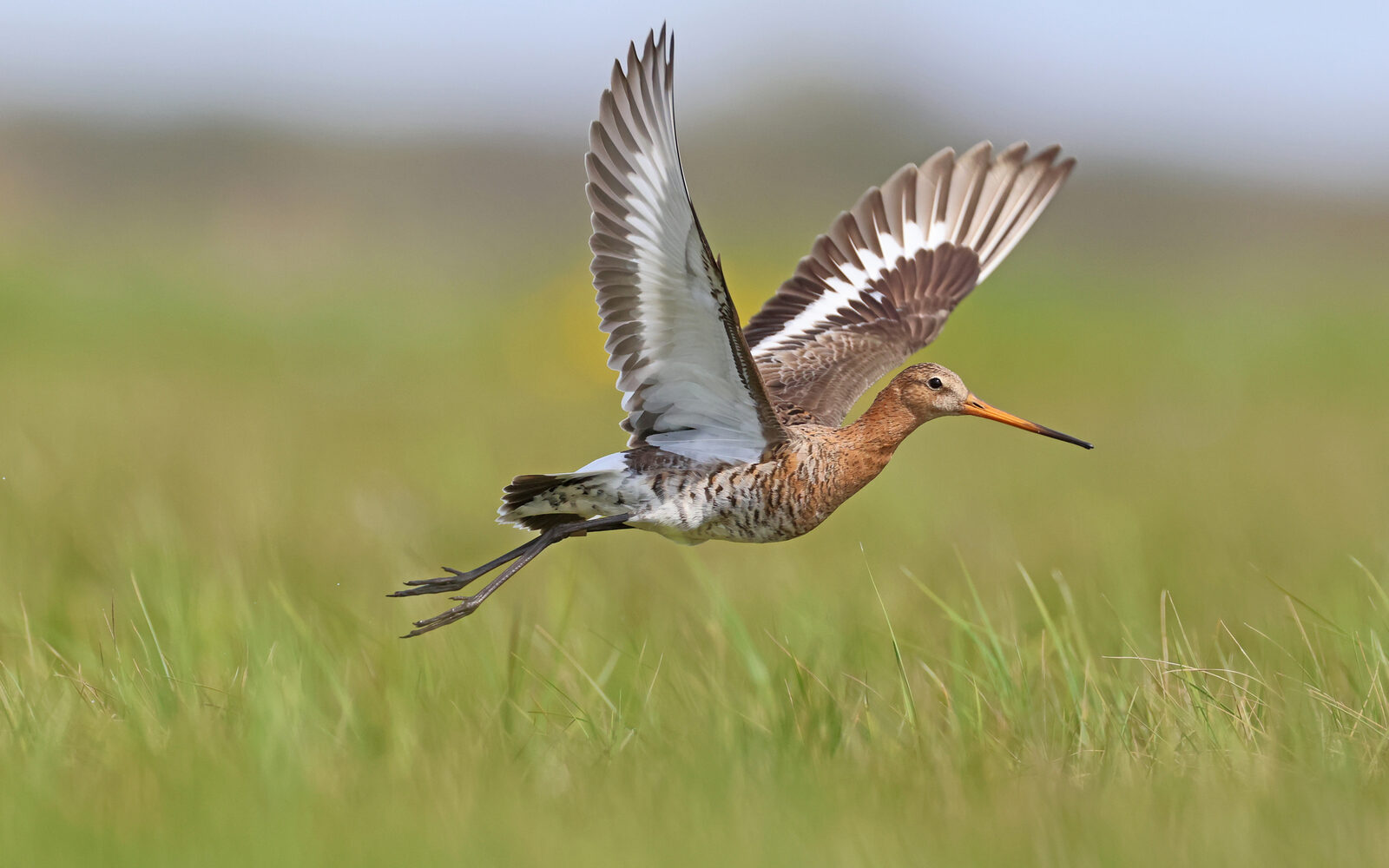
Higher seas reach further inland in every storm. Beaches, salt marshes and low islands are drowned or washed away, and where roads, walls and towns stand behind them, the habitat has nowhere to move. Sea turtles lose nesting beaches, shorebirds lose the marshes where they feed, and on Bramble Cay in Australia a small rodent found nowhere else is regarded as the first mammal to go extinct due to climate change.
Why it matters
- Global mean sea level has risen about 21–24 centimetres (8–9 inches) since 1880, mostly from meltwater from glaciers and ice sheets and from seawater expanding as it warms. NOAA Climate.gov · Climate change: global sea level
- Since the satellite record began in 1993, the yearly rate of sea-level rise has more than doubled, and global sea level has gone up about 10 centimetres in that time. NASA · Unexpected amount of sea level rise in 2024
- In 2024 the sea rose 0.59 centimetres, more than the expected 0.43 centimetres. NASA · Unexpected amount of sea level rise in 2024
- High-tide flooding has increased dramatically around the US in the past 50 years. NOAA Climate.gov · Climate change: global sea level
- Coastal development and rising seas are leading to the loss of nesting beaches for green turtles, and storms on higher seas erode beaches and can flood nests or wash them away. NOAA Fisheries · Green turtle
- The Bramble Cay melomys, a rodent found only on one small island in the Torres Strait, is regarded as the first mammal to become extinct due to climate change. Australian Museum · Bramble Cay melomys
What it touches
Habitats
Species
Why it happens, and what helps
Main causes
- Seawater expanding as the ocean warms
- Melting glaciers and the ice sheets of Greenland and Antarctica
- Both driven by greenhouse gases from burning coal, oil and gas
- Locally, land sinking from groundwater and gas extraction makes it worse
What is proven to help
- Cutting greenhouse gas emissions, which slows the warming that drives the rise
- Protecting and restoring salt marshes, mangroves and dunes, which build up with sediment and soften storm waves
- Leaving room for coastal habitats to move inland instead of hardening every shore with walls
- Keeping new building away from low-lying coasts
- Protecting the beaches where sea turtles and shorebirds nest
What the world has agreed
- Countries agreed to keep warming well below 2 °C and to pursue efforts to limit it to 1.5 °C. Paris Agreement (2015)
- Target 8 of the Kunming-Montreal Global Biodiversity Framework commits countries to minimise the impact of climate change on biodiversity, including through nature-based solutions and ecosystem-based approaches. CBD · GBF Target 8
What you can do
- Cut your own emissions: travel, heating and food are the big levers
- Support groups that restore salt marshes, mangroves and dunes
- Keep to marked paths in dunes and give nesting birds and turtle nests space
Sources and photo credits
- NOAA Climate.gov · Climate change: global sea level
- NASA · Unexpected amount of sea level rise in 2024
- NOAA Fisheries · Green turtle
- Australian Museum · Bramble Cay melomys
- Paris Agreement (2015)
- CBD · GBF Target 8
Waves breaking over an eroded road at Assateague Island National Seashore, USA, during Hurricane Sandy in October 2012: NPS Climate Change Response, Public domain

Figures are national or global estimates from the sources named, with the uncertainty those sources give. Country rankings compare reported totals, not responsibility or effort.
Checked 2026-11-22.