Pesticides
A pressure on the living planet, and what is being done about it.
Pesticides protect crops from insects, weeds and disease. Some of what is sprayed drifts, washes into streams and stays in soils, where it can reach insects, birds, fish and the plants and animals that depend on them.
Use keeps rising. Farms worldwide used 3.92 million tonnes of pesticide active ingredients in 2024, 5% more than the year before and 18% more than ten years earlier. Weight alone does not show harm: toxicity and exposure matter more than tonnes.
Why it matters
- Agricultural pesticide use reached 3.92 million tonnes of active ingredients in 2024. FAO · Pesticides use and trade 1990–2024
- Use rose 5% from 2023 to 2024, and 18% over ten years from 2014. FAO · Pesticides use and trade 1990–2024
What it touches
Habitats
Species
Why it happens, and what helps
Main causes
- Intensive farming of a few crops over large areas
- Spraying by calendar instead of need
- Drift and run-off into streams and wetlands
- Persistent compounds that stay in soils and water
What is proven to help
- Integrated pest management: monitor first, spray only when needed
- Buffer strips along streams and field edges
- Crop rotation and more varied farms
- Natural enemies of pests, from birds to beneficial insects
What you can do
- Choose food from farms that use integrated pest management or organic methods
- Leave a wild corner and avoid pesticides in your own garden
- Support monitoring of insects and water quality
Sources and photo credits
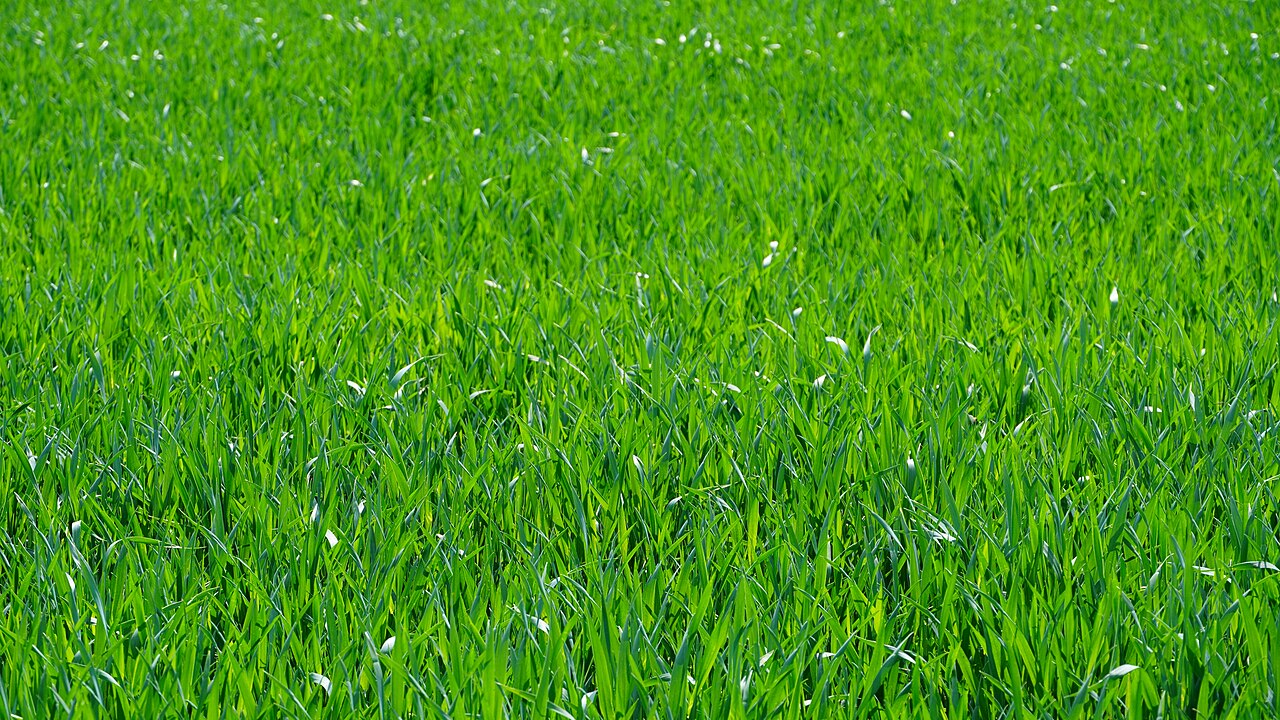
A field of ripening wheat: Kmtextor, CC BY 4.0

Figures are national or global estimates from the sources named, with the uncertainty those sources give. Country rankings compare reported totals, not responsibility or effort.
Checked 2026-11-24.