Ecosystems
Decomposition
Breaking down of living matter.
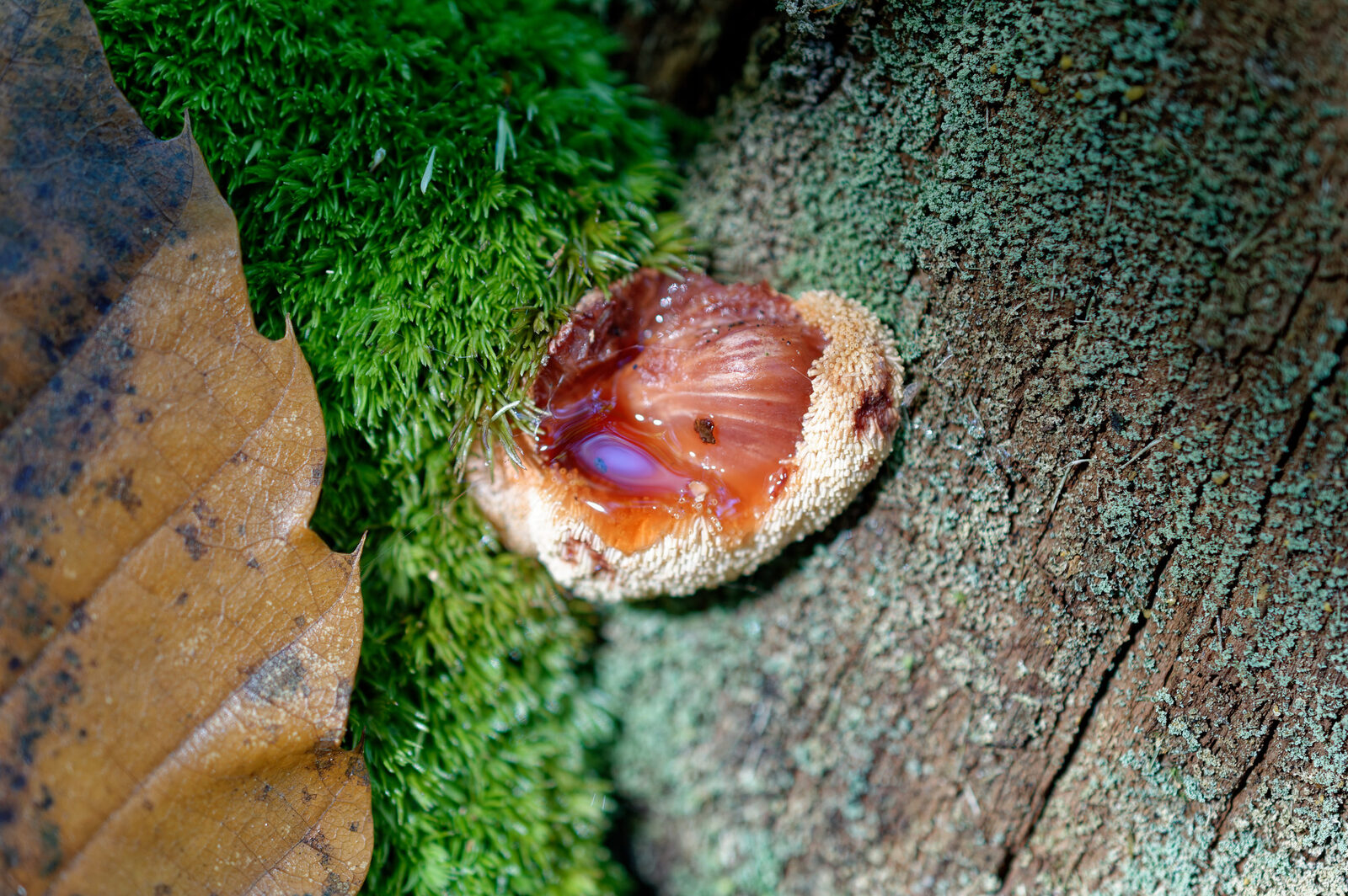
KnownWikidataBeefsteak fungus (Fistulina hepatica) · Photo: Donald Davesne · CC BY 4.0
6 sourced facts · swipe
Decomposition
Decomposition is the natural process of dead animal or plant material rotting and being broken down.
SourcedUS National Park Service · Services provided by biodiversity
Decomposition
Bacteria, fungi, worms, flying insects, beetles and other living creatures are decomposers, and they recycle carbon, nitrogen and phosphorus.
SourcedUS National Park Service · Services provided by biodiversity
Decomposition
A global litter-decomposition synthesis found plant functional traits strongly influence litter decay rates within biomes, alongside climate effects.
InterpretedCornwell et al., Plant species traits are the predominant control on litter decomposition…
Decomposition
A 1.6-year experiment compared reed-litter breakdown in surface water and anaerobic peat layers, identifying pathways relevant to methane emissions after rewetting.
ObservedDecomposition of lignin and carbohydrates in a rewetted peatland (2023), Biogeochemistry
Decomposition
Earthworms ingest organic material and redistribute it through casts, contributing to physical breakdown and soil mixing.
ObservedDarwin, The Formation of Vegetable Mould through the Action of Worms (1881), original…
Connected · how it fits the living planet